
Thyroid problems are common during pregnancy, and thyroid hormone requirements can change quickly after conception. Women with known hypothyroidism should plan thyroid testing and medication review early because adequate maternal thyroid hormone is important for both maternal health and fetal development.
Why Does Pregnancy Change Thyroid Function?
Pregnancy changes thyroid physiology through hormones such as hCG and estrogen. TSH can be lower early in pregnancy, while thyroid-binding proteins increase. For this reason, pregnancy-specific or trimester-specific reference ranges are preferred when available.
Who Should Have Thyroid Testing in Pregnancy?
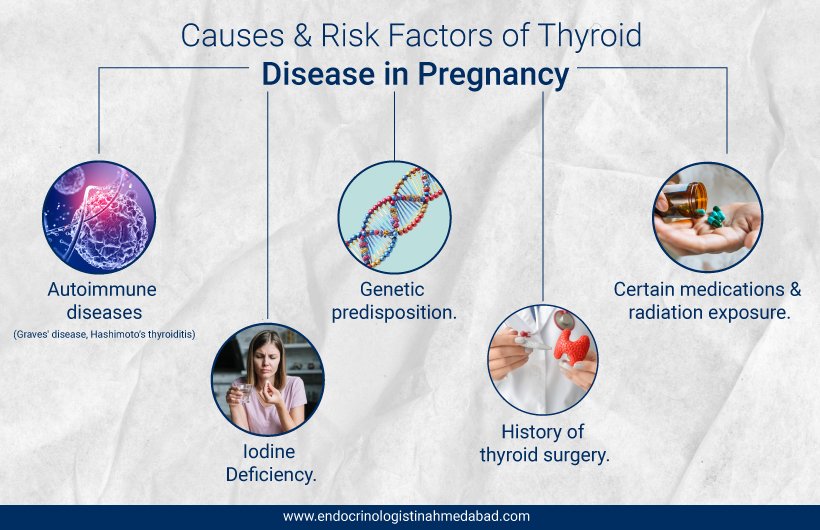
Women with known thyroid disease should have thyroid function assessed promptly after pregnancy is confirmed. The 2026 American Thyroid Association guideline recommends assessing risk factors in all newly pregnant women and offering TSH testing to women at increased risk. Risk factors include previous thyroid disease or treatment, a goiter, autoimmune disease, and a family history of thyroid disease.
Hypothyroidism and Pregnancy
Overt hypothyroidism should be treated with levothyroxine. The treatment goal is to keep maternal thyroid function within the appropriate pregnancy reference range. The 2026 ATA guideline uses pregnancy-specific thresholds and emphasizes individualized treatment rather than applying a single non-pregnancy TSH target to every patient.
Does the Levothyroxine Dose Need to Increase?
Often, yes. Thyroid hormone requirements commonly increase during pregnancy. Women already taking levothyroxine should contact their treating doctor as soon as pregnancy is confirmed because an early dose adjustment may be needed. The amount of increase varies according to the pre-pregnancy TSH, levothyroxine dose and individual response.
How Often Should TSH Be Checked?
For women taking levothyroxine, the 2026 ATA guideline recommends TSH testing around the time pregnancy is confirmed, approximately every 4 weeks during the first half of pregnancy, at least once in the third trimester, and after dose adjustments. Monitoring should be individualized according to the clinical situation.
What About Calcium and Iron in Prenatal Vitamins?
Prenatal vitamins frequently contain iron and calcium, both of which can reduce levothyroxine absorption. Levothyroxine should therefore be separated from calcium- or iron-containing supplements, traditionally by at least 4 hours.
Can I Continue Levothyroxine During Pregnancy?
Yes. Levothyroxine is the standard thyroid hormone replacement used during pregnancy when treatment is indicated. Patients should not stop or change their dose without medical advice.
What Happens After Delivery?
After delivery, levothyroxine requirements often fall toward the pre-pregnancy dose. Thyroid function is generally reassessed postpartum, commonly around 6 weeks after delivery, with further adjustment based on the result and clinical situation.
What About a Previous History of Graves’ Disease?
Women who previously had Graves’ disease, particularly those treated with radioactive iodine or thyroid surgery, may need thyroid receptor antibody (TRAb) assessment during pregnancy because maternal antibodies can cross the placenta. Additional fetal and neonatal monitoring may be needed when antibodies are elevated.
Common Questions
Should every pregnant woman take thyroid medicine?
No. Levothyroxine is prescribed when thyroid testing and the clinical situation indicate treatment is appropriate.
Is a low TSH always dangerous during pregnancy?
No. TSH can physiologically fall during early pregnancy, partly because of hCG. Interpretation should use pregnancy-appropriate reference ranges and the full thyroid profile.
Can I take levothyroxine with my prenatal vitamin?
It is better not to take them together because iron and calcium can interfere with levothyroxine absorption. A separation of about 4 hours is commonly advised.
Should I stop thyroid medicine after delivery?
Do not stop it on your own. The appropriate postpartum dose depends on why you were taking levothyroxine and how much the dose was increased during pregnancy.
Related Thyroid Information
- Thyroid Disorders: Symptoms, Causes, TSH Tests & Treatment Guide
- How to Take Levothyroxine Correctly: Best Time, Food & Tea
- Thyroid Blood Test: TSH, Free T4 & T3 Explained
Thyroid Care in Ahmedabad
If you have hypothyroidism, thyroid antibodies, previous Graves’ disease, or abnormal thyroid tests during pregnancy, individualized endocrine assessment is important.
Dr. Moxit Shah, DM Endocrinology
Vishuddha Endocrine Clinic, Ahmedabad
Elite Magnum, Bhuyangdev Cross Road, Memnagar/Ghatlodia, Ahmedabad
Call/WhatsApp: +91 99799 92797
Medical disclaimer: This article is for general education and does not replace individualized medical advice. Pregnancy-related thyroid treatment and medication changes should be discussed with your endocrinologist or obstetrician.
References
American Thyroid Association. 2026 Guidelines for Thyroid Disease in Preconception, Pregnancy, and Postpartum. Thyroid. 2026.
American Thyroid Association patient information: Hypothyroidism in Pregnancy.