
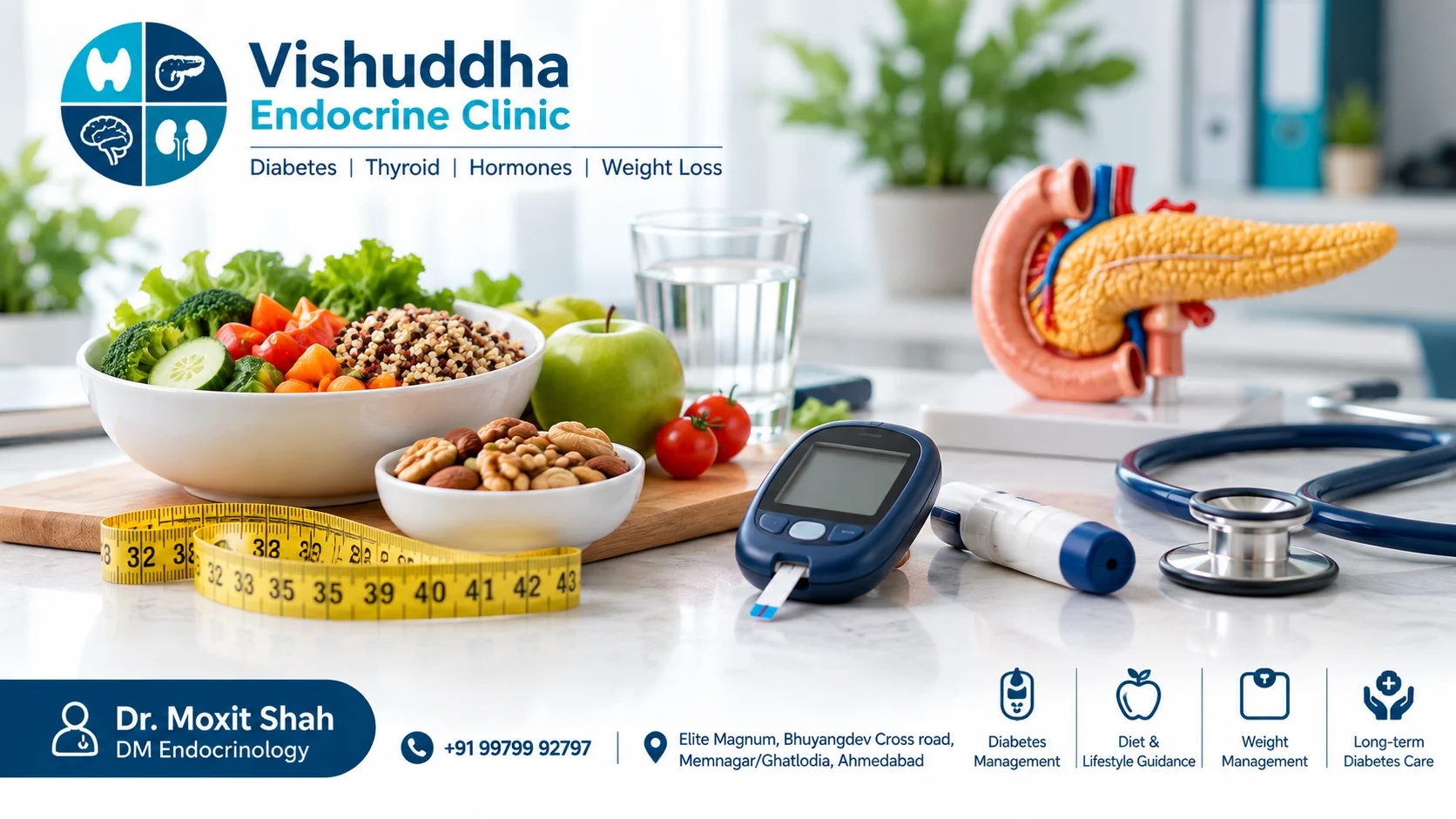
Diabetes is a long-term metabolic condition that affects how the body uses glucose. With the right combination of nutrition, physical activity, medicines when needed, and regular monitoring, many people can keep blood glucose in a healthy range and reduce the risk of complications.
What Is Diabetes?
Diabetes occurs when blood glucose becomes too high because the body does not make enough insulin, does not use insulin effectively, or both. Type 1, type 2, gestational diabetes, and other specific forms have different causes and treatment approaches.
Common Symptoms of Diabetes
Diabetes can develop with few symptoms, particularly in the early stages. Possible symptoms include increased thirst, frequent urination, increased hunger, unexplained weight loss, tiredness, blurred vision, and recurrent infections. Some people have no obvious symptoms and are diagnosed during routine testing.
How Is Diabetes Diagnosed?
For nonpregnant adults, commonly used diagnostic tests include HbA1c, fasting plasma glucose, a 2-hour plasma glucose value during a 75-g oral glucose tolerance test, or random plasma glucose when classic hyperglycemic symptoms or a hyperglycemic crisis are present. Current ADA 2026 criteria include HbA1c ≥6.5%, fasting plasma glucose ≥126 mg/dL, or 2-hour glucose ≥200 mg/dL during a 75-g OGTT. When there is no unequivocal hyperglycemia, confirmatory testing is generally required.
What Does Good Diabetes Management Include?
1. Nutrition
A diabetes-friendly eating pattern should be practical and sustainable. Focus on vegetables, appropriate portions of whole grains and other high-fiber carbohydrates, protein-rich foods, nuts and seeds, and minimally processed foods. Portion size and total carbohydrate intake matter, and the best plan should be individualized rather than based on a single “diabetes diet.”
2. Physical Activity
Regular physical activity can improve insulin sensitivity, glucose control, cardiovascular health, and weight management. A suitable combination of aerobic activity, resistance training, and less sedentary time can be useful, with exercise plans adapted to age, fitness, complications, and treatment.
3. Medicines When Needed
Diabetes medicines are selected according to the type of diabetes, glucose levels, weight, cardiovascular and kidney health, risk of hypoglycemia, cost, preferences, and other clinical factors. Options may include metformin, GLP-1 receptor agonists, dual GIP/GLP-1 receptor agonists, SGLT2 inhibitors, DPP-4 inhibitors, sulfonylureas, insulin, and other therapies. Treatment should be individualized rather than copied from another person.
Read more about metformin benefits and side effects and GLP-1 medicines and their benefits, side effects and safety.
Blood Sugar Monitoring and HbA1c
HbA1c reflects average glucose exposure over roughly the preceding 2–3 months. For many nonpregnant adults, an HbA1c goal around 7% is commonly used, but targets should be individualized. Blood glucose monitoring or continuous glucose monitoring can provide additional information, especially for people using insulin or those at risk of hypoglycemia.
For many nonpregnant adults, commonly used glucose targets are 80–130 mg/dL before meals and below 180 mg/dL about 1–2 hours after the start of a meal, but individual targets can differ.
Why Weight Management Matters in Type 2 Diabetes
For people with overweight or obesity and type 2 diabetes, weight management can be an important part of treatment. Nutrition, physical activity, behavioral support, and appropriate anti-obesity or glucose-lowering medicines may be combined when clinically indicated. Some modern medicines can improve both glycemic control and body weight, but they are not appropriate for everyone.
See our guide on diabetes diet: what to eat and what to limit for practical nutrition guidance.
Preventing Diabetes Complications
Diabetes care is more than checking glucose. Regular assessment may include blood pressure, cholesterol and cardiovascular risk, kidney health, eye health, foot health, neuropathy, dental health, and vaccination needs. The exact screening schedule depends on the type and duration of diabetes and the individual’s risk factors.
When Should You See an Endocrinologist?
An endocrinologist can help when diabetes is newly diagnosed, glucose remains above target, there are frequent hypoglycemic episodes, insulin treatment is complicated, weight management is difficult, complications are developing, or the diagnosis or type of diabetes is uncertain.
Frequently Asked Questions
Can diabetes be cured?
Type 1 diabetes requires lifelong insulin replacement. In type 2 diabetes, some people can achieve remission with substantial and sustained weight loss and other interventions, but this does not mean diabetes can simply be considered permanently cured. Ongoing follow-up remains important.
How often should HbA1c be checked?
Many people with diabetes have HbA1c assessed at least twice a year. Testing may be needed about every 3 months when treatment has changed or glucose goals are not being met.
Can a person with diabetes eat fruit?
Yes. Whole fruits can usually be included in a diabetes-friendly eating pattern. Portion size, total carbohydrate intake, and the individual’s glucose response matter. Fruit juice is generally less filling and can deliver carbohydrate more rapidly than whole fruit.
Are diabetes medicines the same for everyone?
No. Diabetes treatment should be individualized based on the type of diabetes, glucose pattern, kidney and cardiovascular health, weight goals, hypoglycemia risk, other medicines, cost, and personal preferences.
Diabetes Care in Ahmedabad
At Vishuddha Endocrine Clinic, Dr. Moxit Shah, DM Endocrinology, provides individualized care for diabetes, thyroid disorders, obesity and other endocrine conditions in Ahmedabad.
Vishuddha Endocrine Clinic
Elite Magnum, Bhuyangdev Cross Road, Memnagar/Ghatlodia, Ahmedabad
Phone: +91 99799 92797
Medical Disclaimer
This article is for general educational purposes and does not replace an individual medical consultation. Diabetes treatment and glucose targets should be personalized by a qualified healthcare professional. Do not start, stop, or change diabetes medicines or insulin without medical advice.
References
- American Diabetes Association. Standards of Care in Diabetes—2026.
- CDC. Diabetes testing, A1C, blood glucose monitoring and diabetes management resources.