NAION and GLP-1 medicines have become an important topic in diabetes and obesity care. Non-arteritic anterior ischemic optic neuropathy (NAION) is an uncommon disorder affecting the optic nerve that can cause sudden, usually painless vision loss. Recent observational studies have reported an association between some GLP-1 medicines and NAION, particularly semaglutide, but the evidence remains observational and does not establish that GLP-1 medicines cause NAION.
This article explains what NAION is, what the current evidence shows, which patients may have higher baseline risk, and what symptoms should prompt urgent eye assessment.
What Is NAION?
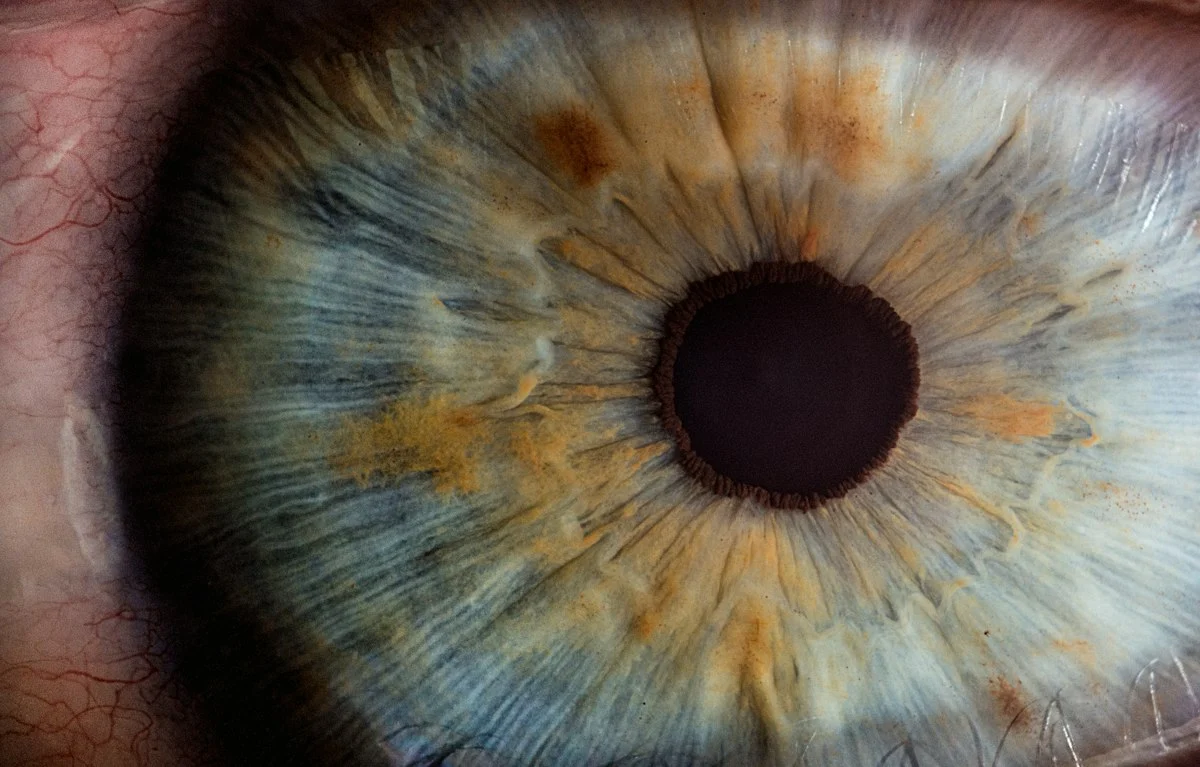
Non-arteritic anterior ischemic optic neuropathy (NAION) occurs when blood flow to part of the optic nerve is impaired. It typically presents with sudden, painless visual loss in one eye, often noticed on waking. The degree of visual loss varies.
NAION is different from diabetic retinopathy. It involves the optic nerve rather than the retinal blood vessels that are affected in diabetic retinopathy.
Why Are GLP-1 Medicines Being Discussed in Relation to NAION?
Semaglutide and other GLP-1-based medicines are widely used for type 2 diabetes and obesity. Because millions of people are exposed to these medicines, researchers have examined whether uncommon eye and optic-nerve events occur more frequently among users.
Several observational analyses published during 2025 and 2026 reported an association between GLP-1 receptor agonists and NAION. However, other analyses have not shown the same signal, and observational studies can be affected by confounding, differences in patient characteristics, diagnostic coding and other biases.
What Does the Latest Evidence Show?
A 2025 JAMA Ophthalmology study involving more than 3.8 million older patients with type 2 diabetes reported a modestly higher NAION risk among GLP-1 receptor agonist users compared with certain comparator groups. The study relied on administrative data, so the findings cannot prove causation.
A 2026 JAMA Ophthalmology study of US veterans with type 2 diabetes found that people initiating semaglutide had a higher observed incidence of NAION than those initiating an SGLT2 inhibitor. The absolute cumulative risks reported were 0.29% versus 0.13% over a median follow-up of 2.1 years. This means the absolute event rate remained low, even though the relative difference was notable.
A separate 2025 JAMA Network Open cohort study of more than 1.5 million people with type 2 diabetes found an association between semaglutide or tirzepatide and optic-nerve disorders including NAION, while emphasizing that the overall risk was very low.
At the same time, reviews of the evidence have emphasized inconsistency between studies. A 2025 systematic review and meta-analysis of randomized trials found a signal for NAION with semaglutide but concluded that definitive conclusions about causation could not be drawn and that additional dedicated studies are needed.
Does GLP-1 Definitely Cause NAION?
No. At present, an association should not be interpreted as proof that semaglutide, tirzepatide or another GLP-1 medicine directly causes NAION.
Randomized trials are generally not large enough to reliably evaluate very rare events such as NAION. Observational studies are therefore important, but they cannot completely eliminate confounding. Researchers continue to evaluate the signal using different databases and study designs.
Is the Risk the Same With Semaglutide and Tirzepatide?
The evidence is stronger and more extensively discussed for semaglutide. Some observational research has also reported an association with tirzepatide, but the available evidence does not establish a clear, drug-specific causal risk for either medicine.
Patients should therefore not assume that switching between GLP-1-based medicines automatically removes a potential eye risk.
Who Already Has Risk Factors for NAION?
NAION has several recognized risk factors. These include:
- Diabetes mellitus
- Hypertension
- Obstructive sleep apnea
- Small or crowded optic disc anatomy
- Some vascular risk factors
- Older age
Having one or more of these factors does not mean that a person will develop NAION. It means that the underlying risk may already be higher.
What Symptoms Should GLP-1 Users Watch For?
Sudden visual change in one eye deserves urgent medical assessment. Important symptoms can include:
- Sudden painless loss or reduction of vision
- A new area of missing or dim vision
- Blurred or distorted vision that appears suddenly
- A new visual field defect
If sudden vision loss occurs, do not wait for the next routine diabetes or obesity appointment. Seek urgent evaluation by an ophthalmologist or an appropriate emergency eye service.
Should You Stop Semaglutide or Tirzepatide If You Are Worried About NAION?
Do not stop a prescribed GLP-1 medicine solely because you have read about NAION without discussing it with your treating clinician. These medicines can provide substantial benefits for glucose control, body weight and, in appropriate patients, cardiovascular and kidney outcomes.
If you develop sudden visual symptoms, seek urgent eye evaluation and inform the clinician that you are taking a GLP-1-based medicine. Your endocrinologist and ophthalmologist can then assess the situation and decide whether treatment should be changed.
What About Diabetic Retinopathy?
NAION and diabetic retinopathy are different conditions. Rapid improvement in glucose control can sometimes be associated with a temporary worsening of diabetic retinopathy in people who already have significant retinopathy. This is one reason eye status should be considered when diabetes treatment is intensified.
Patients with diabetes should continue recommended retinal screening rather than assuming that a normal eye examination rules out every possible eye problem.
Can NAION Be Prevented?
There is no guaranteed method to prevent NAION. Managing modifiable vascular risk factors is important. This includes good diabetes and blood-pressure management, assessment and treatment of sleep apnea when present, avoidance of smoking, and appropriate cardiovascular risk reduction.
For people starting GLP-1 therapy, individualized assessment is particularly important when there is a previous history of NAION or significant eye disease.
Key Takeaways
- NAION is an uncommon optic-nerve disorder that can cause sudden, usually painless vision loss.
- Recent observational studies have reported an association between GLP-1 medicines and NAION.
- The absolute risk appears low, and current evidence does not prove that GLP-1 medicines cause NAION.
- The evidence is evolving, with some studies reporting an association and others raising methodological or uncertainty concerns.
- Semaglutide has been studied more extensively than tirzepatide in relation to NAION.
- Diabetes, hypertension, sleep apnea and certain optic-disc anatomy are established NAION risk factors.
- Sudden vision loss while taking a GLP-1 medicine requires urgent eye evaluation.
- Do not stop GLP-1 treatment without discussing the individual risk-benefit situation with your treating clinician.
Consult Dr. Moxit Shah – Endocrinologist in Ahmedabad
Dr. Moxit Shah, DM Endocrinology, provides evidence-based care for diabetes, obesity, thyroid disorders and other endocrine conditions at Vishuddha Endocrine Clinic, Ahmedabad.
Vishuddha Endocrine Clinic
Elite Magnum, Bhuyangdev Cross Road, Memnagar/Ghatlodia, Ahmedabad, Gujarat 380061
Phone: +91 99799 92797
Website: endocrinologistinahmedabad.com
Medical disclaimer: This article is for education and does not replace individualized medical or ophthalmic assessment.
References
- JAMA Ophthalmology – GLP-1 RAs and Risk of NAION in Older Patients With Diabetes
- JAMA Ophthalmology – New-Onset NAION and Initiators of Semaglutide in US Veterans
- JAMA Network Open – Semaglutide or Tirzepatide and Optic Nerve Disorders
- JAMA Ophthalmology – Systematic Review and Meta-analysis of Ocular Adverse Events With Semaglutide