
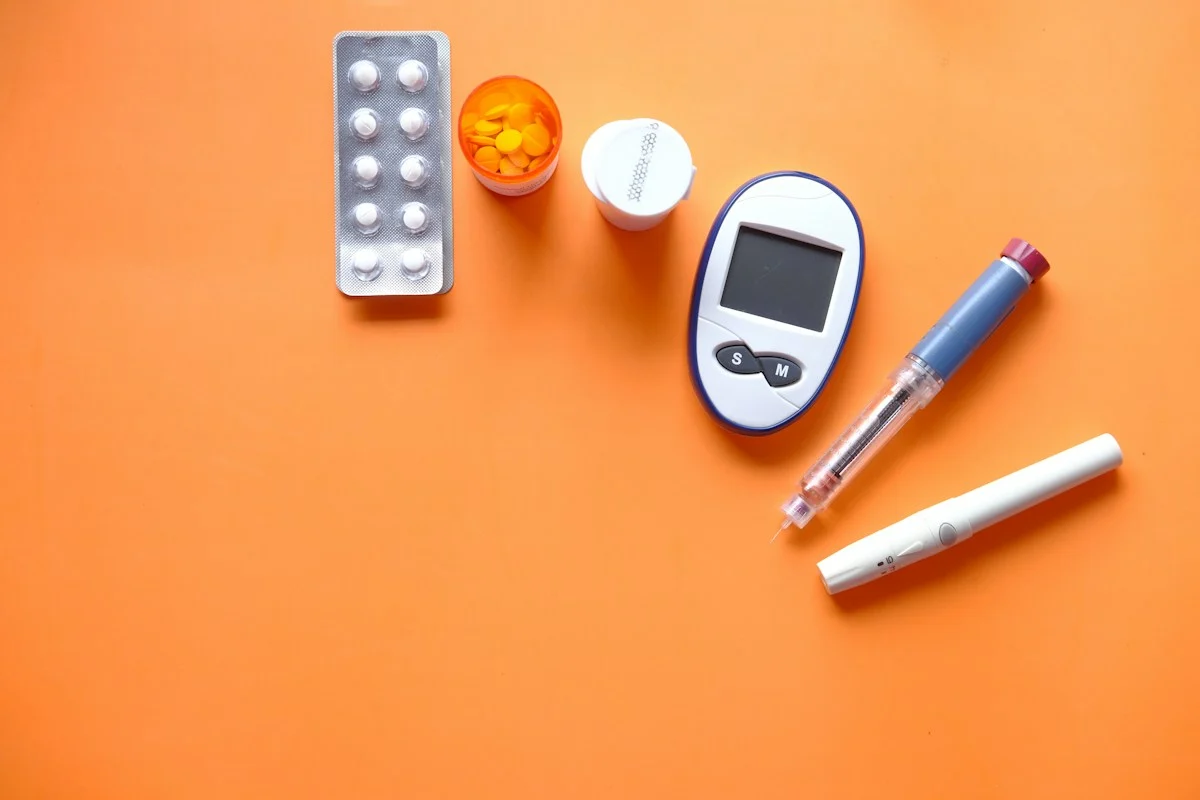
Diabetes is a chronic condition in which blood glucose, or blood sugar, becomes too high. The right combination of nutrition, physical activity, medicines and regular monitoring can help reduce the risk of complications and support long-term health.
What is Diabetes?
Glucose is an important source of energy for the body, while insulin helps glucose move from the bloodstream into cells. When the body does not produce enough insulin or cannot use insulin effectively, blood glucose levels rise.
The main forms include type 1 diabetes, type 2 diabetes and gestational diabetes. Type 2 diabetes is the most common form.
What are the Symptoms of Diabetes?
Some people have noticeable symptoms, while others may have diabetes for a long time without realizing it.
- Increased thirst
- Frequent urination
- Increased hunger
- Fatigue
- Blurred vision
- Slow-healing wounds
- Recurrent infections
- Tingling or numbness in the hands or feet
- Unexplained weight loss, particularly with marked hyperglycemia
Type 2 diabetes often develops gradually and may cause few or no obvious symptoms.
What Causes Type 2 Diabetes?
Type 2 diabetes develops through a combination of insulin resistance and progressive impairment of insulin secretion. Risk factors include family history, increasing age, physical inactivity, excess body weight, increased waist circumference, prediabetes and previous gestational diabetes.
How is Diabetes Diagnosed?
Diabetes is diagnosed using blood tests. Common tests include HbA1c, fasting plasma glucose, the oral glucose tolerance test and, in appropriate symptomatic patients, random plasma glucose.
HbA1c
An HbA1c of 6.5% or higher is a diagnostic threshold for diabetes in appropriate nonpregnant individuals. When there is no unequivocal hyperglycemia, confirmation is generally required.
Fasting Plasma Glucose
A fasting plasma glucose of 126 mg/dL or higher meets the diagnostic threshold for diabetes in nonpregnant individuals, subject to appropriate confirmation when required.
Oral Glucose Tolerance Test
A 2-hour glucose value of 200 mg/dL or higher during a 75-g oral glucose tolerance test meets the diagnostic criterion for diabetes.
Read our detailed guide: HbA1c Test: What Your Result Means and How to Act.
What is the Target HbA1c in Diabetes?
Treatment goals should be individualized. An HbA1c goal below 7% is appropriate for many nonpregnant adults, while less or more stringent targets may be appropriate depending on age, duration of diabetes, hypoglycemia risk, other medical conditions and treatment preferences.
How is Diabetes Treated?
1. Healthy Eating
A diabetes-friendly diet does not mean completely eliminating carbohydrates. Important principles include appropriate portions, more vegetables and fibre-rich foods, adequate protein, minimally processed carbohydrate sources and limiting sugary drinks and highly processed foods.
Read: Diabetes Diet: What to Eat and What to Limit and Diabetes Diet Chart for Indian Vegetarians.
2. Physical Activity
Regular physical activity can improve insulin sensitivity and contribute to better glucose control. The appropriate exercise plan depends on age, fitness, cardiovascular status, diabetes complications and other medical conditions.
3. Diabetes Medicines
Depending on the type of diabetes and individual circumstances, treatment may include metformin, SGLT2 inhibitors, GLP-1 receptor agonists, DPP-4 inhibitors, sulfonylureas, thiazolidinediones, insulin and other glucose-lowering therapies.
The choice depends on glucose levels, cardiovascular and kidney health, hypoglycemia risk, Weight Loss goals, cost, tolerability and patient preferences.
Related reading: Metformin: Benefits, Side Effects & Vitamin B12 Deficiency and DPP-4 Inhibitors: Benefits & Side Effects.
4. GLP-1 Medicines and Diabetes
GLP-1-based medicines are an important treatment option for many people with type 2 diabetes. Depending on the medicine and patient characteristics, they may improve glucose control and support Weight Loss. They are prescription treatments and are not appropriate for everyone.
Read: GLP-1 Medicines for Weight Loss: Who Is Eligible and What to Expect.
What Happens if Diabetes is Not Controlled?
Persistently elevated blood glucose can contribute to heart disease, stroke, kidney disease, diabetic retinopathy, neuropathy and foot problems. Diabetes care therefore involves more than checking blood sugar; blood pressure, cholesterol, kidney health, eye health and foot health also need appropriate attention.
Read: Diabetes and Kidney Health: Early Warning Signs You Should Know.
What is Hypoglycemia?
Hypoglycemia means blood glucose is too low. It is particularly important for people using insulin or certain other diabetes medicines. Symptoms can include sweating, shaking, hunger, palpitations, dizziness and confusion. Severe hypoglycemia requires urgent treatment.
Read: Hypoglycemia: Symptoms, Causes & the 15-15 Rule.
Can Diabetes Be Reversed?
Some people with type 2 diabetes can achieve remission, particularly after substantial and sustained improvements in weight, diet, physical activity and metabolic health. Remission does not necessarily mean the underlying susceptibility has disappeared, so regular monitoring remains important.
Can People With Diabetes Eat Rice and Roti?
Yes. Many people with diabetes can include rice and roti in their diet. Portion size, total carbohydrate intake, food quality, fibre, protein, physical activity, medication and individual glucose response all matter. Complete avoidance of one staple food is not necessary for everyone.
When Should You Consult an Endocrinologist?
- Blood glucose remains high despite treatment
- HbA1c remains above your individualized target
- Repeated hypoglycemia occurs
- You need insulin initiation or adjustment
- You are considering GLP-1-based treatment
- You have diabetes-related kidney, eye or nerve problems
- You need an individualized diabetes and Weight Loss plan
Frequently Asked Questions
What are the first signs of diabetes?
Increased thirst, frequent urination, fatigue, blurred vision and unexplained weight changes can occur, but type 2 diabetes may have no obvious symptoms.
What HbA1c level means diabetes?
An HbA1c of 6.5% or higher is a diagnostic threshold for diabetes in appropriate nonpregnant individuals, with confirmation generally required when there is no unequivocal hyperglycemia.
Can diabetes be controlled without insulin?
Some people with type 2 diabetes can control their glucose without insulin, while others need insulin at diagnosis or later. Treatment should be individualized.
Can people with diabetes eat fruit?
Yes. Whole fruit can generally be included in a diabetes-friendly eating pattern, with attention to portion size and overall carbohydrate intake.
Is diabetes caused only by eating sugar?
No. Type 2 diabetes develops through multiple interacting factors, including insulin resistance, genetics, body composition, physical activity and other risk factors.
Can diabetes cause kidney problems?
Yes. Diabetes is an important risk factor for chronic kidney disease, which is why appropriate kidney monitoring is an important part of diabetes care.
Diabetes Care in Ahmedabad
Dr. Moxit Shah, DM Endocrinology, provides specialist care for diabetes, thyroid disorders, Weight Loss and other endocrine conditions at Vishuddha Endocrine Clinic, Ahmedabad.
Vishuddha Endocrine Clinic
Elite Magnum, Bhuyangdev Cross Road, Memnagar/Ghatlodia, Ahmedabad
Phone: +91 99799 92797
Medical Disclaimer: This article is for general educational purposes and does not replace individualized medical consultation. Diabetes treatment, medication selection and glucose targets should be determined according to the individual patient’s medical condition and treatment goals.