
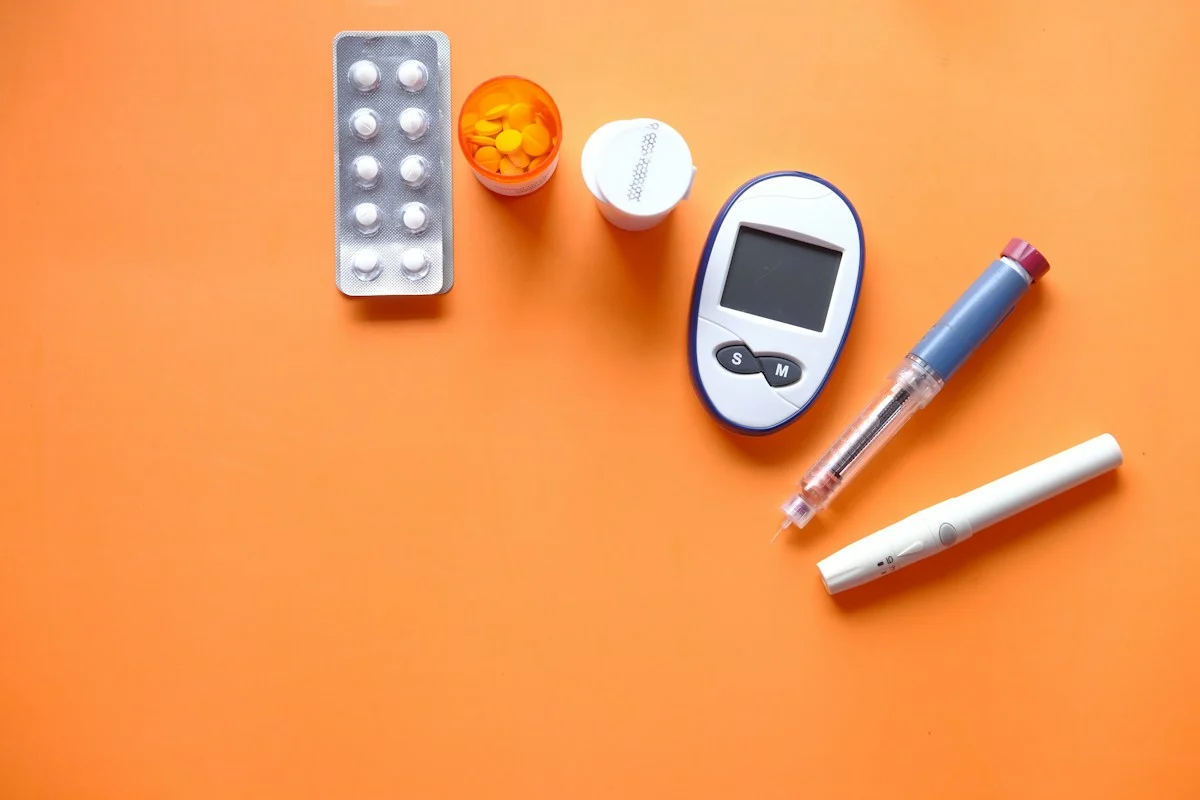
Diabetes is a long-term condition in which blood glucose levels remain higher than normal. Good diabetes management is not only about reducing sugar intake; it involves understanding food, physical activity, medicines, glucose monitoring, sleep, and regular screening.
What Is Diabetes?
Diabetes occurs when the body does not make enough insulin, does not use insulin effectively, or both. The main types are type 1 diabetes, type 2 diabetes, and diabetes first recognized during pregnancy. Type 2 diabetes is the most common form in adults.
Common Symptoms of Diabetes
Some people have no obvious symptoms, especially early in the disease. Possible symptoms include increased thirst, frequent urination, unexplained weight loss, tiredness, blurred vision, and recurrent infections. Because symptoms can be mild or absent, testing is important when risk factors are present.
How Is Diabetes Diagnosed?
Diagnosis is based on blood glucose testing such as fasting plasma glucose, HbA1c, or an oral glucose tolerance test, depending on the clinical situation. A healthcare professional should interpret the result in context and arrange confirmatory testing when appropriate.
How to Control Blood Sugar in Diabetes
Choose balanced meals: Build meals around vegetables, adequate protein, high-fibre foods, and sensible portions of carbohydrate-rich foods. Limiting sugary drinks and highly refined foods can help reduce glucose spikes.
Stay physically active: Regular walking and resistance exercise can improve insulin sensitivity. The right activity plan depends on age, fitness, complications, and treatment.
Take medicines as prescribed: Diabetes treatment is individualized. Depending on the type of diabetes and associated conditions, treatment may include oral medicines, injectable therapies, or insulin.
Monitor glucose when advised: Home glucose monitoring or continuous glucose monitoring can provide useful information in selected patients, especially when using insulin or medicines that can cause hypoglycaemia.
Protect heart, kidney, and eye health: Blood pressure, cholesterol, kidney function, foot health, and eye screening are important parts of comprehensive diabetes care.
What Should You Check Regularly?
Follow-up commonly includes HbA1c and review of home glucose readings when relevant. Depending on the duration and type of diabetes, screening may also include kidney tests, eye examination, foot assessment, blood pressure, and lipid profile.
Can Diabetes Be Reversed?
The word “reversal” is often used for type 2 diabetes when blood glucose improves substantially and diabetes medicines can sometimes be reduced or stopped under medical supervision. However, this does not mean the tendency to develop diabetes has disappeared. Sustained lifestyle changes, weight management, and ongoing monitoring remain important.
When Should You See an Endocrinologist?
An endocrinologist can help when diabetes is newly diagnosed, difficult to control, associated with frequent low sugars, requiring complex insulin therapy, complicated by other endocrine conditions, or when weight management and newer glucose-lowering medicines need individualized assessment.
Diabetes Care at Vishuddha Endocrine Clinic
At Vishuddha Endocrine Clinic, Dr. Moxit Shah, DM Endocrinology, provides evaluation and individualized management for diabetes, thyroid disorders, obesity, and other endocrine conditions in Ahmedabad.
Clinic: Vishuddha Endocrine Clinic
Address: Elite Magnum, Bhuyangdev Cross Road, Memnagar/Ghatlodia, Ahmedabad
Contact: +91 99799 92797
Frequently Asked Questions
Can people with diabetes eat fruits?
Yes. Fruit can be part of a balanced diabetes diet. Portion size, total carbohydrate intake, and the rest of the meal pattern matter. Whole fruit is generally preferred over fruit juice.
Is walking enough to control diabetes?
Walking is beneficial, but diabetes care usually works best as a combination of appropriate nutrition, physical activity, prescribed treatment, sleep, and regular follow-up.
Should I stop my diabetes medicine when my sugar becomes normal?
No. Normal readings may reflect that your current treatment is working. Medicines should only be reduced or stopped after discussion with your treating clinician.
Medical note: This article is for general education and does not replace an individual medical consultation.