
Looking for the Best Diabetes Doctor in Ahmedabad? Choosing a diabetes specialist is less about a title and more about getting the right diagnosis, individualized treatment, complication screening and long-term follow-up. An endocrinologist can help when diabetes is difficult to control, when multiple medicines are needed, or when there are associated thyroid, weight, hormonal or metabolic problems.
This guide explains what to look for in a diabetes doctor in Ahmedabad and how modern diabetes care can help improve blood sugar control while reducing the risk of complications.
What Does a Diabetes Specialist Do?
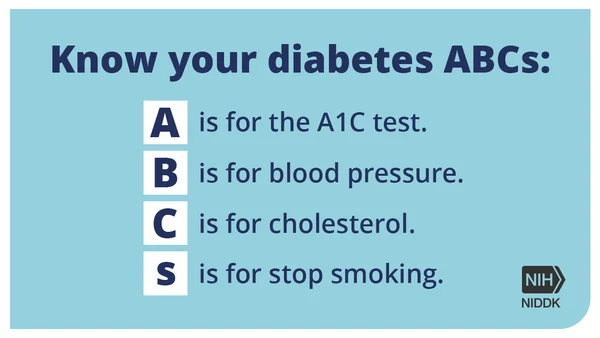
Diabetes care involves much more than checking a single blood sugar value. A specialist evaluates the type of diabetes, glucose pattern, HbA1c, blood pressure, cholesterol, kidney health, eye health, nerves, feet, weight and cardiovascular risk. Treatment is then individualized according to age, duration of diabetes, other medical conditions, medicines, lifestyle and personal goals.
When Should You See a Diabetes Doctor in Ahmedabad?
- Newly diagnosed Diabetes or Prediabetes
- Persistently high HbA1c or fluctuating blood glucose
- Frequent episodes of low blood sugar
- Need for insulin initiation or adjustment
- Diabetes during pregnancy or planning pregnancy
- Diabetes with kidney, eye, nerve or foot problems
- Diabetes with cardiovascular risk factors
- Difficulty losing weight or associated metabolic problems
- Uncertainty about medicines, CGM or glucose monitoring
How Is Diabetes Diagnosed?
Common diagnostic tests include HbA1c, fasting plasma glucose, a 2-hour oral glucose tolerance test and, in selected symptomatic situations, a random plasma glucose test. The 2026 American Diabetes Association Standards of Care use an HbA1c of 6.5% or higher, fasting plasma glucose of 126 mg/dL or higher, or 2-hour glucose of 200 mg/dL or higher during a 75-g OGTT as diagnostic thresholds in nonpregnant adults. In the absence of unequivocal hyperglycemia, confirmatory testing is generally required.
NIDDK: Diabetes Tests & Diagnosis
Why HbA1c Matters in Diabetes Care
HbA1c reflects average glucose exposure over approximately the previous 2–3 months. It is an important tool for assessing glycemic control and guiding treatment, although individual HbA1c targets should be personalized. Conditions affecting red blood cells, hemoglobin or their turnover can make HbA1c less reliable in some people.
What Does Comprehensive Diabetes Management Include?
1. Personalized glucose-lowering treatment
Depending on the clinical situation, treatment may include lifestyle measures, oral medicines, injectable therapies, insulin, or combinations of these. The choice should consider glucose-lowering effectiveness, hypoglycemia risk, weight effects, kidney and heart health, cost, convenience and patient preferences.
2. Nutrition and physical activity
A sustainable eating pattern and regular physical activity are important components of diabetes management. Rather than following a single universal “diabetes diet,” nutrition should be adapted to the person’s usual Indian meals, work schedule, preferences, weight goals and medical conditions.
3. Weight management
For people with type 2 diabetes who also need weight management, selected glucose-lowering medicines may provide both glycemic and weight benefits. Medicines should be prescribed according to the individual’s clinical profile rather than used simply because they are popular.
4. Diabetes technology
For selected patients, continuous glucose monitoring (CGM) and structured glucose monitoring can provide useful information about glucose patterns, hypoglycemia and treatment response. Technology is most useful when the data are interpreted in the context of the person’s treatment plan.
5. Screening for complications
Long-term diabetes care should address blood pressure, cholesterol, kidney health, eye health, nerve function and foot health. Managing these risk factors is an important part of reducing diabetes-related complications.
For a practical overview, see our Diabetes Management Guide.
Why an Endocrinologist May Be Helpful for Complex Diabetes
An endocrinologist has specialist training in diabetes and other hormone and metabolic disorders. Specialist assessment can be particularly useful when diabetes is uncontrolled despite treatment, the diagnosis is uncertain, insulin needs are changing, hypoglycemia is recurrent, or diabetes occurs alongside thyroid, pituitary, adrenal, reproductive or weight-related endocrine problems.
Diabetes Care in Ahmedabad: What Should You Look For?
When searching online for the “Best Diabetes Doctor in Ahmedabad,” consider practical and clinical factors rather than relying only on rankings or reviews. Look for appropriate specialist qualifications, a clear approach to diagnosis, individualized treatment, availability of follow-up, attention to complications and the ability to coordinate related endocrine and metabolic care.
Dr. Moxit Shah – DM Endocrinology, Ahmedabad
Dr. Moxit Shah, DM Endocrinology, provides diabetes, thyroid, weight management and endocrine care at Vishuddha Endocrine Clinic in Ahmedabad. The clinic focuses on individualized evaluation and evidence-based management of Diabetes and related endocrine disorders.
- Clinic: Vishuddha Endocrine Clinic
- Address: 104-105, Elite Magnum, Bhuyangdev Cross Road, Opp. Utsav Elegance, Vardhmannagar Society, Ghatlodiya/Memnagar, Ahmedabad, Gujarat 380061
- Phone: +91 99799 92797
You can also explore our Weight Loss and GLP-1 Treatment Guide and Low Blood Sugar (Hypoglycemia) Guide.
Frequently Asked Questions
Who should I consult for Diabetes in Ahmedabad?
A diabetologist, endocrinologist or appropriately trained physician can provide diabetes care. An endocrinologist may be particularly useful for complex or difficult-to-control diabetes and when other endocrine disorders are present.
What HbA1c level means diabetes?
For nonpregnant adults, an HbA1c of 6.5% or higher is one of the diagnostic criteria for diabetes. When there is no unequivocal hyperglycemia, the diagnosis generally needs confirmation with repeat or additional testing.
Is one diabetes medicine suitable for everyone?
No. Diabetes treatment should be individualized based on glucose levels, kidney and cardiovascular health, hypoglycemia risk, weight goals, other medicines, affordability and patient preferences.
When should I see an endocrinologist?
Consider specialist assessment when diabetes is difficult to control, there are recurrent low sugars, insulin therapy is complex, the type of diabetes is uncertain, or there are associated endocrine or metabolic conditions.
Conclusion
Finding a diabetes doctor in Ahmedabad should focus on the quality and continuity of care rather than an unsupported “best doctor” ranking. Accurate diagnosis, individualized treatment, regular monitoring and screening for complications are the foundations of good diabetes care.
Medical information on this page is for education and does not replace an individualized consultation. Diabetes medicines, insulin doses and glucose targets should not be changed without medical advice.
Sources: American Diabetes Association, Standards of Care in Diabetes—2026; National Institute of Diabetes and Digestive and Kidney Diseases (NIDDK), Diabetes Tests & Diagnosis and Managing Diabetes.