
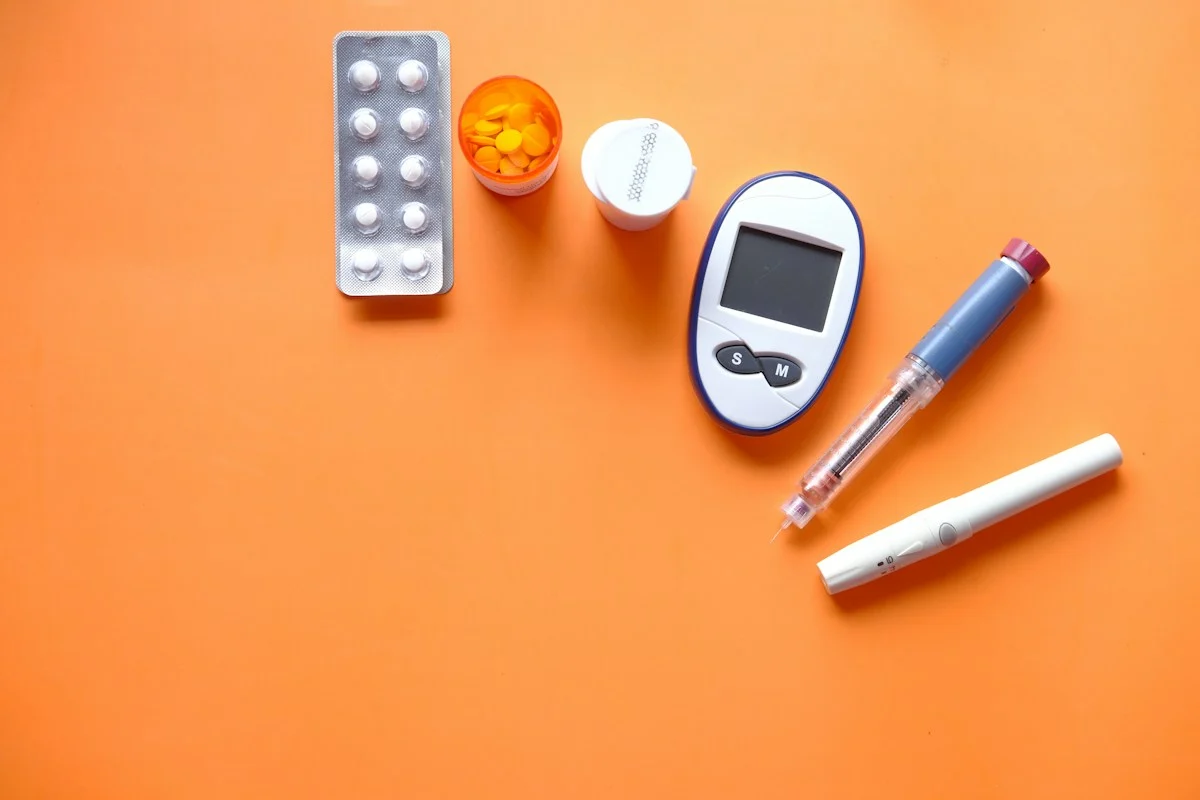
Diabetes is a long-term condition, but the right food choices can make blood glucose management easier and support heart, kidney and overall health. A diabetes-friendly diet does not mean giving up carbohydrates completely. The goal is to choose better-quality carbohydrates, control portions and build balanced meals.
What should you eat if you have diabetes?
1. Choose high-fibre foods
Vegetables, pulses, beans, whole grains, nuts and seeds provide fibre and can help improve meal quality. Include plenty of non-starchy vegetables such as leafy greens, gourds, cauliflower, beans, cucumber and tomatoes.
2. Prefer minimally processed carbohydrates
Portion-controlled whole grains and traditional foods such as whole-wheat roti, oats, brown rice, millets and other minimally processed grains can fit into a diabetes meal plan. The appropriate quantity depends on your glucose levels, medications, activity and individual nutritional needs.
3. Add a protein source
Protein can make meals more satisfying. Depending on your preferences and medical needs, options may include dal, beans, curd, paneer, tofu, nuts and seeds. People with kidney disease may need an individualized protein plan.
4. Eat fruit in sensible portions
Whole fruit can be part of a diabetes-friendly diet. Prefer whole fruit rather than juice, and consider portion size and the rest of the meal. Fruit does not need to be completely avoided simply because you have diabetes.
5. Be careful with sugary drinks
Soft drinks, sweetened beverages, packaged juices and frequent sugary drinks can add substantial amounts of rapidly absorbed carbohydrate. Water, unsweetened beverages and other appropriate low-sugar options are generally better choices.
Foods to limit
- Sugary drinks and fruit juices
- Frequent sweets, desserts and sugar-rich snacks
- Highly refined snacks and large portions of refined carbohydrates
- Frequent deep-fried and highly processed foods
Does a person with diabetes need to stop eating rice or roti?
Not necessarily. Diabetes management is usually about the overall dietary pattern, carbohydrate quantity and quality, activity, medications and individual glucose response rather than banning one staple food for everyone. Portion control and a balanced plate are often more practical than complete avoidance.
A simple diabetes plate
As a practical starting point, make a substantial portion of the plate non-starchy vegetables, include a suitable protein source, and keep the carbohydrate portion measured. Your ideal portions may be different if you use insulin, have kidney disease, are pregnant, or have other medical conditions.
When should you see an endocrinologist?
If your blood glucose remains above target, you have frequent low blood sugar, are starting or adjusting insulin or other diabetes medicines, or have complications or other endocrine conditions, an individualized medical review can be helpful.
About Dr. Moxit Shah: Dr. Moxit Shah, DM Endocrinology, provides specialist care for diabetes, thyroid disorders, obesity and other endocrine conditions in Ahmedabad at Vishuddha Endocrine Clinic.
Disclaimer: This article is for general education and does not replace individualized medical advice. Diabetes treatment and dietary requirements should be tailored to the individual.