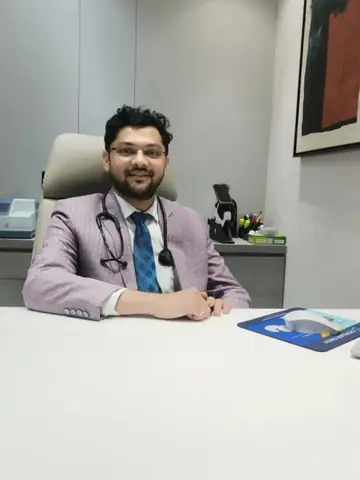

What makes an endocrinologist the “best” in Ahmedabad?
At our clinic we define the “best” endocrinologist by a blend of clinical skill, patient‑centred communication, and up‑to‑date knowledge of Indian guidelines such as those from the ADA, ICMR and RSSDI. Dr. Moxit Shah has completed a DM in Endocrinology, which is the highest postgraduate qualification in this field in India. He regularly attends national conferences, ensuring that his practice reflects the latest evidence on hormone disorders.
Key takeaways
- Dr. Moxit Shah holds a DM in Endocrinology and follows Indian and international guidelines
- The clinic offers comprehensive care for diabetes, thyroid, PCOS and weight‑loss with affordable, locally relevant advice
- First visits include detailed history, focused exam, lab planning and a personalised written plan
- Lifestyle changes—Indian whole grains, legumes, spices and regular activity—are core to hormone health
- Hormone medicines are safe when prescribed and monitored according to evidence‑based protocols
Practical signs of a top specialist include:
- Clear explanations of conditions like diabetes, thyroid disease and PCOS in simple language.
- Use of affordable, locally available foods in dietary advice – for example, millets, lentils, and seasonal fruits.
- Transparent discussion of treatment options, including newer agents such as GLP‑1 medicines, while respecting each patient’s cost concerns.
- Availability of a comfortable, private consultation space that respects cultural sensitivities.
Choosing a doctor who balances expertise with empathy helps families feel confident during long‑term hormone management.
In addition, the “best” endocrinologist embraces technology that makes follow‑up easier for busy families – for instance, electronic health records that patients can view on a mobile phone, reminder messages for medication refills, and tele‑consultation slots for those who travel from nearby towns. He also encourages patients to keep a simple diary of symptoms, blood‑sugar readings or weight changes, which can be reviewed at each visit.
Finally, a hallmark of a leading practitioner is a commitment to community education. Dr. Shah frequently conducts free talks in schools, senior‑citizen centres and during local festivals, helping people recognise early signs of hormonal imbalance and understand how everyday choices – such as using less oil in cooking or opting for whole‑grain rotis – can make a difference.
Dr. Moxit Shah’s expertise across common endocrine conditions
Dr. Shah treats a wide range of disorders that affect daily life in Gujarat. In diabetes, he follows the latest ADA standards, focusing on blood‑sugar control, cardiovascular risk reduction and personalised lifestyle plans. For thyroid problems – both hypothyroidism (low thyroid) and hyperthyroidism (high thyroid) – he uses Indian‑specific reference ranges and monitors symptoms such as fatigue, weight changes and hair loss.
Women with PCOS (polycystic ovary syndrome) receive a combined approach of hormonal evaluation, nutrition counselling and, when needed, fertility support. Weight‑management is another pillar of his practice; he is a recognised GLP‑1 specialist in Ahmedabad, offering medication options that are safe for Indian patients alongside diet changes.
His experience also extends to adrenal disorders, osteoporosis and pituitary tumours, always guided by evidence‑based protocols.
For adrenal conditions such as Cushing’s syndrome or Addison’s disease, Dr. Shah evaluates cortisol patterns using simple blood or urine tests that are available in most city labs. In osteoporosis, he emphasizes bone‑strengthening strategies that are relevant to Indian diets – for example, incorporating calcium‑rich paneer, low‑fat dairy, and leafy greens like methi and sarson. Pituitary tumours are investigated with imaging and hormone panels, and treatment plans are discussed in detail, keeping in mind the patient’s family responsibilities and travel constraints.
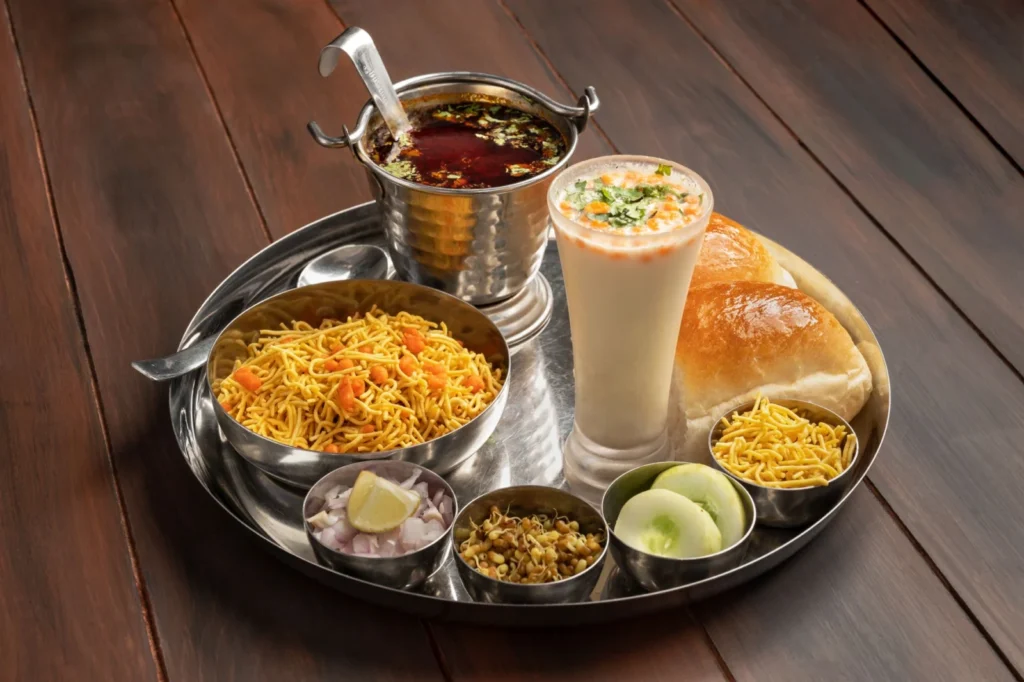
Across all these conditions, Dr. Shah tailors advice to the local context – suggesting, for instance, how to modify traditional Gujarati thalis to reduce refined flour while preserving taste, or how to manage fasting during Navratri without jeopardising medication schedules.
How to choose the right endocrine clinic for your needs
When looking for an endocrine clinic in Ahmedabad, consider the following practical factors:
- Qualified team: Verify that the lead doctor holds a DM or equivalent and that the clinic has trained nurses and dietitians.
- Location and accessibility: A clinic near public transport or with parking makes regular follow‑ups easier.
- Cost transparency: Ask about consultation fees, lab test prices and medication costs in rupees; many clinics offer package rates for chronic conditions.
- Patient education: Good clinics provide printed handouts in Gujarati or Hindi and hold group sessions on diet during festivals like Navratri or fasting periods.
- Technology support: Online appointment booking, tele‑consultation and electronic reports help busy families stay on track.
Our clinic meets all these criteria, offering a warm environment where families can discuss concerns openly.
Additionally, look for a clinic that respects cultural practices – for example, allowing women to schedule appointments at times that do not clash with household duties, or offering private rooms for modesty during physical examinations. A clinic that collaborates with local laboratories can also reduce travel time and expense for repeat testing.
Finally, ask about continuity of care. Knowing that the same endocrinologist or a designated senior resident will review your records at each visit builds trust and ensures that subtle changes in your health are not missed.
What to expect during your first visit at our clinic
Your initial appointment with Dr. Shah typically lasts 30‑45 minutes. You will be asked to bring recent lab reports, a list of current medicines and any family history of endocrine disease. The visit includes:
- History taking: Detailed questions about symptoms, diet, physical activity and cultural practices such as fasting.
- Physical examination: Simple measurements like weight, blood pressure, and a focused neck exam for thyroid size.
- Laboratory planning: Dr. Shah orders relevant tests – fasting glucose, HbA1c, thyroid‑stimulating hormone, lipid profile – using labs that are widely available across Gujarat.
- Personalised plan: You receive a written summary with lifestyle tips, medication explanations and the next appointment date.
All information is recorded in a confidential electronic file, allowing seamless follow‑up.
Before the appointment, it helps to jot down any questions you may have – for example, “How will my fasting during Navratri affect my diabetes medicines?” or “Can I replace white rice with millet without affecting my thyroid medication?” Bringing these queries ensures that the consultation addresses the issues most important to you.
After the visit, the clinic staff will call to confirm the date of any recommended lab tests and will send a reminder a day before your next appointment. If you need clarification on the written plan, a short tele‑consultation is available at no extra charge.
How Dr. Shah helps manage diabetes and thyroid problems
Diabetes and thyroid disorders often coexist, especially in middle‑aged adults. Dr. Shah adopts an integrated approach: first, he stabilises blood sugar using a mix of metformin, lifestyle changes and, when appropriate, newer GLP‑1 medicines that also aid weight loss. He monitors kidney function and blood pressure, following Indian guidelines for safe dosing.
For thyroid disease, he distinguishes between primary (thyroid gland) and secondary (pituitary) causes, then prescribes levothyroxine for hypothyroidism or antithyroid drugs for hyperthyroidism. He pays special attention to Indian dietary sources of iodine – such as iodised salt and sea‑weed snacks – and advises on calcium‑rich foods to protect bone health.
Regular follow‑up visits every 3‑6 months help adjust therapy based on lab results and symptom relief.
Dr. Shah also integrates cultural considerations into his management plan. For patients who observe regular fasting – for example, during Ramzan or Navratri – he provides a step‑by‑step guide on how to modify medication timing, split doses, or use low‑glycaemic snacks like roasted chana to avoid hypoglycaemia. He encourages the use of home‑grown vegetables and seasonal fruits, which are often cheaper and fresher than imported produce.
Beyond medicines, Dr. Shah stresses the importance of self‑monitoring. Simple tools such as a glucometer, a weekly weight log, and a symptom checklist for thyroid (e.g., feeling cold, hair texture) empower patients to notice trends early and bring them to the next visit.
Can lifestyle and diet improve hormone health in Gujarat?
Absolutely. Indian cuisine offers many hormone‑friendly foods. Whole grains like bajra, jowar and brown rice have a lower glycaemic impact than polished white rice, helping control diabetes. Legumes (dal, chickpeas) provide plant protein and fibre, which support weight management and improve insulin sensitivity.
For thyroid health, incorporating selenium‑rich foods such as roasted peanuts, sunflower seeds and eggs (if non‑vegetarian) can aid hormone conversion. During festivals, Dr. Shah suggests portion‑controlled sweets and encourages the use of natural sweeteners like jaggery in moderation.
Physical activity is equally important. Simple daily walks, yoga, or traditional Indian dance forms (garba, bhangra) can lower blood sugar and improve mood. The clinic offers group sessions on cooking with minimal oil and using spices like turmeric and fenugreek, which have modest evidence for metabolic benefits.
Practical tips for everyday life include: swapping deep‑fried samosas with baked or air‑fried versions, adding a handful of mixed nuts to breakfast poha for healthy fats, and choosing low‑fat dairy like curd instead of full‑cream milk. During fasting periods, Dr. Shah recommends breaking the fast with a small portion of protein (such as moong dal chilla) followed by a balanced meal, rather than jumping straight to sugary sweets.
Seasonal produce also plays a role. In monsoon months, fresh bottle‑gourd (lauki) and ridge‑gourd (tori) are inexpensive, low‑calorie options that can be incorporated into curries. In winter, leafy greens like spinach and mustard greens are abundant and provide iron and calcium, supporting both thyroid and bone health.
Are hormone treatments safe and effective for Indian patients?
Hormone therapies, when prescribed according to international and Indian guidelines, are generally safe. Dr. Shah carefully screens for contraindications such as liver disease, pregnancy or severe heart problems before starting any medication.
For example, GLP‑1 medicines have been studied in large Indian cohorts and show good blood‑sugar control with modest weight loss, while having a low risk of hypoglycaemia. Thyroid hormone replacement is titrated based on regular TSH (thyroid‑stimulating hormone) testing, ensuring doses are neither too high nor too low.
Side‑effects are discussed openly, and patients are encouraged to report any new symptoms promptly. The clinic’s lab partners provide quick turnaround for hormone panels, allowing timely dose adjustments.
In addition to medication safety, Dr. Shah emphasizes the importance of adherence to follow‑up schedules. Missing a lab test or delaying a dose adjustment can reduce the effectiveness of therapy. The clinic sends SMS reminders in Gujarati and Hindi, and offers a helpline for urgent queries, ensuring that patients can seek guidance without waiting for the next appointment.
When patients travel to other states or return home for festivals, Dr. Shah provides a concise “travel letter” that outlines current medicines, dosing times, and any special instructions – a practical tool that helps maintain continuity of care across India.
When to see an endocrinologist
If you experience persistent fatigue, unexplained weight changes, frequent urination, excessive thirst, irregular periods, hair loss, or have a family history of diabetes or thyroid disease, schedule an appointment. Early evaluation helps prevent complications and makes treatment easier.
Other situations that merit a specialist visit include: sudden onset of high blood pressure in a young adult, difficulty losing weight despite diet and exercise, signs of bone loss such as frequent fractures, or symptoms of adrenal imbalance like unexplained darkening of the skin. Women who are planning pregnancy and have PCOS, as well as men with low testosterone symptoms, also benefit from early endocrine assessment.
Frequently asked questions
What qualifications make Dr. Moxit Shah the best endocrinologist in Ahmedabad?
Dr. Shah has completed a DM (Doctor of Medicine) in Endocrinology, the highest postgraduate degree in the field in India, and regularly updates his knowledge through national conferences and guideline reviews.
How often should I have follow‑up appointments for diabetes?
For stable diabetes, Dr. Shah usually recommends visits every three to six months, but the interval may be shorter if blood‑sugar levels are changing or new symptoms appear.
Can I continue fasting during Ramadan if I have thyroid disease?
Yes, with proper medication timing and monitoring. Dr. Shah can adjust levothyroxine dosing to align with pre‑dawn meals and advise on safe blood‑sugar checks during fasting.
Are GLP‑1 medicines suitable for Indian patients with weight concerns?
GLP‑1 medicines have been studied in Indian populations and are considered safe and effective for weight loss and blood‑sugar control when prescribed by an experienced endocrinologist.
What dietary changes help both diabetes and thyroid conditions?
Choosing whole grains, legumes, fresh vegetables, iodine‑rich foods like iodised salt, and limiting refined sugars and saturated fats can improve blood‑sugar control and support thyroid health.
Need personalised advice? Book a consultation with Dr. Moxit Shah at Vishuddha Endocrine Clinic, Ahmedabad. Book an appointment or call +91 99799 92797.
This article is for general education and does not replace a consultation. Please speak to your doctor before making any change to your treatment.
Image credits: Photo: RDNE Stock project / Pexels · Photo: Aditya Mara / Pexels