
How to Choose the Best Endocrinologist in Ahmedabad?
Finding the best endocrinologist in Ahmedabad begins with checking credentials. Look for a specialist who holds a DM (Doctor of Medicine) in Endocrinology, is registered with the Medical Council of India, and follows national guidelines such as those from the ADA and RSSDI. Experience matters – a doctor who has treated diabetes, thyroid and obesity for many years will recognize subtle patterns. Communication style is equally important; you should feel comfortable asking questions and receiving clear explanations. Practical factors include clinic location, waiting time, and whether the centre offers on‑site labs for quick testing. Cost transparency helps families plan finances, especially when considering long‑term medication. Finally, seek reviews from other patients and, if possible, meet the doctor for a brief consultation to gauge empathy and cultural understanding, such as familiarity with Indian vegetarian diets.
Key takeaways
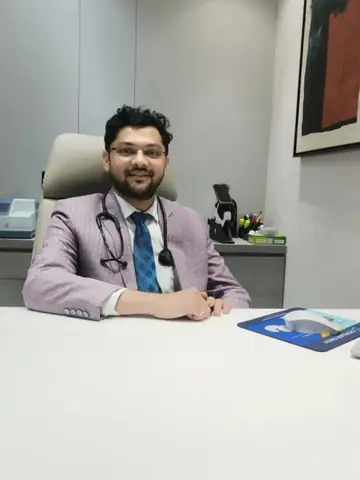
- Dr. Moxit Shah combines extensive training with a patient‑centred approach, making him a trusted specialist in Ahmedabad.
- The clinic offers comprehensive services for diabetes, thyroid, obesity, bone health, and reproductive hormones.
- Management plans are evidence‑based, culturally adapted, and include lifestyle counseling alongside medication.
- First visits include detailed assessment, lab testing, and a clear written care plan.
- Regular follow‑up and support groups help maintain long‑term hormonal balance and overall health.
Credentials and Registration
Ask to see the doctor’s registration number and any additional certifications. In India, a valid registration with the Medical Council of India (or its state counterpart) confirms that the practitioner is legally allowed to practice. You may also request proof of fellowship or training at recognised institutes, which often indicates exposure to the latest guidelines.
Experience with Local Diets
Because Indian meals are often high in carbohydrates, it is valuable to choose an endocrinologist who understands how to adapt treatment plans for vegetarian, lacto‑vegetarian, or mixed diets. Dr. Moxit Shah, for example, routinely discusses meal‑planning with patients who rely on chapati, rice, dal, and seasonal vegetables.
Communication and Empathy
During an initial conversation, notice whether the doctor explains medical terms in plain language. A good endocrinologist will pause to ensure you understand concepts such as “glycaemic index” or “thyroid‑stimulating hormone” before moving on. Feel free to ask how often you will need to check blood sugar, what symptoms to watch for, and how the treatment fits into your daily routine.
Practical Considerations
- Clinic location – proximity to public transport or parking facilities.
- Waiting time – a clinic that respects appointment slots reduces stress.
- On‑site laboratory – immediate blood tests avoid multiple trips.
- Cost – transparent fee structures for consultations, investigations and follow‑up.
Patient Reviews and Referrals
Word of mouth remains a trusted source in Gujarat. Speak to friends, family members, or your primary physician about their experiences. Many patients also share feedback on local health forums; look for consistent themes rather than isolated comments.

What Services Does Our Endocrine Clinic Offer?
At Vishuddha Endocrine Clinic we provide a full spectrum of hormone‑related care. Our services include:
- Comprehensive diabetes management, from lifestyle counseling to advanced injectable therapies.
- Thyroid evaluation and treatment for both hypothyroidism and hyperthyroidism.
- Obesity and weight‑loss programs, including GLP‑1 medicines (see our article on GLP‑1 Medicines for Diabetes and Weight Loss).
- Bone health assessment for osteoporosis and calcium‑vitamin D deficiency.
- Reproductive hormone disorders, such as PCOS and menopause.
- Adrenal disorders, including Cushing’s and Addison’s disease.
- On‑site laboratory tests for HbA1c, thyroid function, lipid profile, and hormone panels.
- Nutrition and exercise counseling tailored to Indian lifestyles.
Each service is delivered by a multidisciplinary team that includes dietitians, diabetes educators, and physiotherapists, ensuring a holistic approach. For example, a patient with type 2 diabetes will receive a personalised meal plan that incorporates regional staples like millets, a walking schedule that fits a typical workday, and regular monitoring of blood glucose using a glucometer that records readings for review during follow‑up visits.
How Do We Manage Diabetes and Other Hormonal Conditions?
Our management plan starts with a thorough assessment of your medical history, current medicines, and daily routine. We follow evidence‑based guidelines from the ADA and ICMR, adapting them to Indian food habits and cultural practices. For diabetes, we focus on three pillars: balanced diet, regular physical activity, and appropriate medication. When oral agents are insufficient, we discuss newer options such as GLP‑1 receptor agonists, which help lower blood sugar and support weight loss. Hormonal disorders like thyroid disease are treated with dose‑adjusted medicines, and we monitor levels every few months to keep them within target ranges. Education is a cornerstone – we teach patients how to read food labels, count carbohydrate portions in roti or rice, and recognize symptoms of hypo‑ or hyper‑glycemia. Lifestyle changes are reinforced with practical tips for festivals, fasting periods, and family meals.
Step‑by‑Step Assessment
- History taking: We ask about eating patterns (e.g., frequency of rice, use of ghee), physical activity (walking, yoga, household chores), and any symptoms such as excessive thirst or fatigue.
- Physical examination: Weight, waist circumference, blood pressure and a brief foot check are performed to spot early complications.
- Baseline investigations: HbA1c, fasting glucose, lipid profile, kidney function and relevant hormone panels are drawn on the same day in our on‑site lab.
- Goal setting: Together we decide realistic targets – for example, a modest reduction in HbA1c, a stable weight, or a specific thyroid‑stimulating hormone range.
- Personalised plan: Meal timing around traditional meals, medication timing during Ramadan fasting, and activity suggestions that fit a Gujarati household.
Technology and Self‑Monitoring
We encourage the use of glucometers that store readings, mobile apps for tracking meals, and wearable devices that count steps. Data from these tools can be uploaded to our patient portal, allowing Dr. Moxit Shah to review trends before the next appointment.
What Should You Expect During Your First Visit?
Your first appointment is designed to be thorough yet comfortable. Upon arrival, you will complete a brief health questionnaire covering symptoms, family history, and medication use. A nurse will then take your vital signs, weight, and a quick blood sample for basic labs. Dr. Moxit Shah will spend time listening to your concerns, performing a focused physical examination, and discussing any recent test results. Together, you will outline short‑term goals—such as achieving a target HbA1c or stabilising thyroid levels—and long‑term strategies for sustainable health. A written care plan, including lifestyle recommendations and follow‑up dates, will be provided before you leave. If you need to see a specialist, such as a dietitian, we arrange the referral within the same visit.
Preparing for the Visit
- Bring a list of all current medicines, including over‑the‑counter supplements.
- Carry recent lab reports, if available, especially thyroid or lipid tests.
- Note any specific questions you have – for example, how to adjust insulin during Navratri fasting.
- Wear comfortable clothing that allows easy measurement of weight and blood pressure.
Questions to Ask the Doctor
Consider asking about the frequency of blood‑sugar monitoring, the safest way to incorporate traditional foods, signs that require urgent attention, and the availability of tele‑consultations for routine queries.
How Can Lifestyle and Diet Support Your Treatment?
Dietary habits are central to endocrine health, especially in India where meals are often carbohydrate‑rich. We recommend:
- Choosing whole‑grain chapatis, brown rice, or millets over refined flour.
- Including protein sources like lentils, paneer, tofu, and low‑fat dairy at each meal.
- Adding a variety of vegetables—spinach, cauliflower, bottle gourd—to increase fibre and micronutrients.
- Limiting sugary sweets, especially during festivals; enjoy smaller portions of traditional desserts like laddoo or jalebi.
- Staying hydrated with water, buttermilk, or unsweetened herbal teas.
- Incorporating 30 minutes of brisk walking, yoga, or household chores most days.
We also guide safe fasting practices for religious observances, ensuring medication timing and blood‑sugar monitoring are adjusted appropriately. Small, frequent meals and mindful eating help prevent spikes in blood glucose and support weight management.
Practical Indian Examples
- Breakfast: A bowl of sprouted moong dal with a small portion of poha made with brown rice flakes.
- Mid‑morning snack: A handful of roasted chana or a glass of unsweetened lassi.
- Lunch: Two medium whole‑grain rotis, a cup of dal, a side of mixed vegetable sabzi, and a small serving of brown rice.
- Evening snack: Fresh fruit such as papaya or a small portion of roasted makhana.
- Dinner: Similar to lunch but with a lighter carbohydrate portion, perhaps substituting rice with quinoa or millet.
During festivals like Diwali, we suggest swapping deep‑fried sweets for baked options, using jaggery instead of refined sugar, and limiting the number of high‑calorie treats to one or two small pieces.
When to Seek Follow‑up Care and Ongoing Support?
Regular follow‑up is essential for chronic endocrine conditions. Typically, we schedule visits every 3 months for stable diabetes or thyroid disease, and more frequently if adjustments are needed. You should contact the clinic sooner if you notice symptoms such as unexplained weight change, persistent fatigue, palpitations, or frequent urination. Our team offers tele‑consultations for quick queries, and we maintain a patient portal where you can view lab results, medication reminders, and educational videos. Support groups for diabetes and weight‑loss are organized quarterly, providing peer motivation and sharing of practical tips. Continuous monitoring helps us fine‑tune therapy, prevent complications, and keep you on track toward your health goals.
What to Monitor Between Visits
- Blood‑glucose readings at the times recommended by your doctor.
- Any new or worsening symptoms, such as increased thirst, night sweats, or mood changes.
- Weight trends – a gradual change may signal the need for medication review.
- Adherence to diet and exercise plans, noting any challenges during festivals or travel.
Using the Patient Portal
The portal allows you to upload glucometer logs, download prescription details, and watch short videos on topics like “Reading Nutrition Labels” or “Safe Exercise During Monsoon Season”. It also sends reminders for upcoming appointments and lab tests.
When to see an endocrinologist
Consider an endocrinology appointment if you have persistent high blood sugar, unexplained weight loss or gain, irregular menstrual cycles, persistent fatigue, or a family history of thyroid disease. Early evaluation can prevent complications and guide personalized treatment.
Frequently asked questions
What qualifications should I look for in an endocrinologist?
A qualified endocrinologist in India should have a DM (Doctor of Medicine) in Endocrinology, be registered with the Medical Council, and follow guidelines from bodies like the ADA and RSSDI.
Do I need a referral to see Dr. Moxit Shah?
No referral is required. You can book an appointment directly through our clinic, and our team will guide you through the registration and initial assessment process.
Can the clinic help with weight loss during pregnancy?
Yes, we provide safe, nutrition‑focused counseling for gestational weight management, ensuring both mother and baby receive appropriate nutrients while avoiding harmful restrictions.
How often should I have my thyroid levels checked?
For stable thyroid disease, checking every 6 months is common. If medication doses are changed or symptoms appear, more frequent testing may be advised.
Is tele‑consultation available for follow‑up visits?
Yes, our clinic offers tele‑consultations for routine follow‑up, medication adjustments, and quick queries, making it convenient for patients who cannot travel to the clinic.
Need personalised advice? Book a consultation with Dr. Moxit Shah at Vishuddha Endocrine Clinic, Ahmedabad. Book an appointment or call +91 99799 92797.
This article is for general education and does not replace a consultation. Please speak to your doctor before making any change to your treatment.
Image credits: Photo: SHVETS production / Pexels · Photo: Prem Singh Tanwar / Pexels