
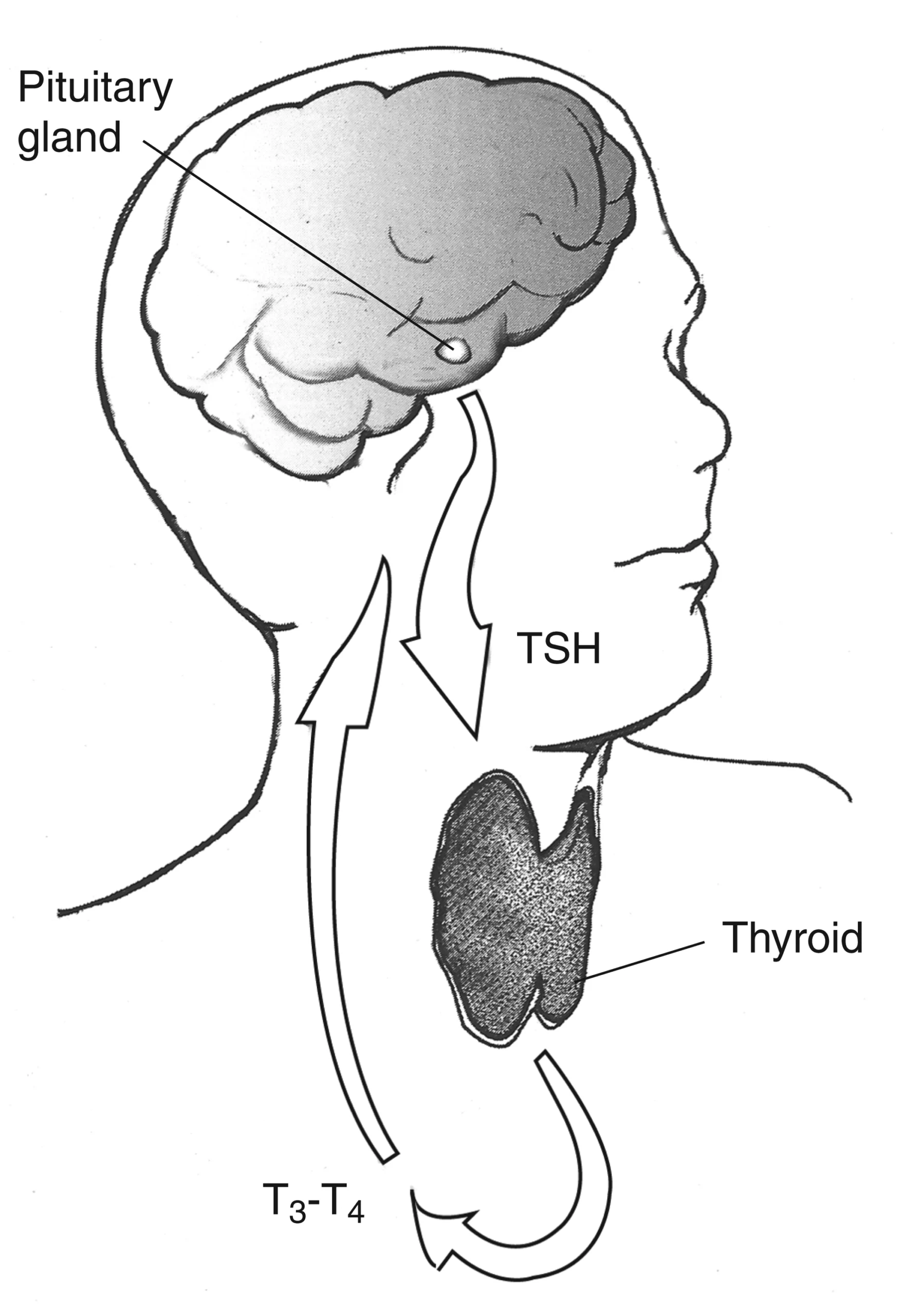
Thyroid disorders are common, but thyroid symptoms and test results can be confusing. A careful evaluation can distinguish an underactive thyroid (Hypothyroidism), an overactive thyroid (Hyperthyroidism), autoimmune thyroid disease, thyroid nodules and other conditions. This guide explains the basics of thyroid function, common symptoms, TSH testing, treatment and when to consult an Endocrinologist in Ahmedabad.
What Does the Thyroid Gland Do?
The thyroid is a butterfly-shaped gland in the front of the neck. It produces the hormones thyroxine (T4) and triiodothyronine (T3), which influence energy use and many body functions. Thyroid hormone production is regulated by thyroid-stimulating hormone (TSH), which is produced by the pituitary gland.
Because thyroid hormones affect many organs, thyroid disease can present with symptoms involving energy, weight, heart rate, bowel habits, skin, hair, menstrual cycles and mood. However, symptoms alone cannot establish a thyroid diagnosis.
Hypothyroidism: When the Thyroid Is Underactive
Hypothyroidism occurs when the thyroid does not make enough thyroid hormone. Hashimoto’s disease is a common cause, although thyroid surgery, radioactive iodine treatment, some medicines, thyroiditis and pituitary disorders can also cause hypothyroidism.
Common symptoms of Hypothyroidism
- Fatigue or low energy
- Weight gain or difficulty losing weight
- Feeling unusually cold
- Dry skin or hair changes
- Constipation
- Muscle or joint discomfort
- Heavy or irregular menstrual periods
- Slower heart rate
These symptoms are not specific to thyroid disease. A blood test is usually needed to determine whether thyroid dysfunction is present.
Hyperthyroidism: When the Thyroid Is Overactive
Hyperthyroidism occurs when the thyroid produces more thyroid hormone than the body needs. Graves’ disease is an important cause, but thyroiditis and hormone-producing thyroid nodules can also cause Hyperthyroidism.
Possible symptoms
- Palpitations or a fast heartbeat
- Unexplained weight loss
- Heat intolerance and increased sweating
- Tremor
- Anxiety or restlessness
- Frequent bowel movements
- Menstrual changes
- Muscle weakness
Untreated Hyperthyroidism can have important effects on the heart, bones and other systems, so persistent symptoms or abnormal thyroid tests should be medically evaluated.
Which Thyroid Tests Are Usually Needed?
TSH is commonly the first blood test used to assess thyroid function. Depending on the result and clinical situation, a doctor may also request Free T4, T3 and thyroid antibody tests.
| Test | What it helps assess |
|---|---|
| TSH | Pituitary signal regulating thyroid hormone production; commonly the initial thyroid function test |
| Free T4 | Available circulating thyroxine and helps classify thyroid dysfunction |
| T3 | Particularly useful in selected cases of suspected Hyperthyroidism |
| Anti-TPO / other thyroid antibodies | Can support evaluation for autoimmune thyroid disease when clinically appropriate |
Thyroid ultrasound is not a substitute for thyroid function blood tests. It is mainly used to assess the structure of the thyroid, including nodules and enlargement, when indicated.
What Does a High TSH Mean?
A high TSH often indicates that the thyroid is not producing enough hormone, particularly when Free T4 is low. But a mildly elevated TSH with a normal Free T4 is a different pattern called Subclinical Hypothyroidism. Treatment is not automatically required for every person with this pattern.
The decision may depend on the degree of TSH elevation, symptoms, age, thyroid antibodies, pregnancy or pregnancy plans, cardiovascular considerations and other clinical factors.
For a more detailed explanation, read our guide: Subclinical Hypothyroidism: High TSH with Normal T4.
How Is Hypothyroidism Treated?
When thyroid hormone replacement is indicated, levothyroxine is the standard thyroid hormone replacement used for Hypothyroidism. The appropriate dose varies between individuals and can be influenced by age, body size, pregnancy, heart disease, the cause of Hypothyroidism, medicines and absorption.
After starting treatment or changing the dose, thyroid blood tests are generally repeated after an appropriate interval to assess the response. For many patients, TSH is reassessed around 6–8 weeks after a dose change, although the exact timing should be individualized by the treating clinician.
Taking levothyroxine consistently and correctly matters. Calcium, iron and some other medicines or supplements can interfere with absorption, so your doctor or pharmacist should review how you take your medicines.
If you occasionally forget a dose, read our practical guide: What to Do If You Forget Your Thyroid Medicine.
Thyroid and Weight Gain
Hypothyroidism can contribute to weight gain, but thyroid dysfunction is only one possible cause of weight change. Once thyroid hormone levels are appropriately corrected, further weight management may still require nutrition, physical activity, sleep and—when appropriate—medical weight-loss treatment.
Read more: Hypothyroidism and Weight Gain.
When Is a Thyroid Ultrasound Needed?
Ultrasound evaluates the structure of the thyroid. It may be useful when there is a thyroid nodule, neck swelling, goiter or another clinical reason to assess the gland. Ultrasound findings should be interpreted together with the clinical examination and, when appropriate, thyroid function tests and other investigations.
Thyroid Disease During Pregnancy
Pregnancy changes thyroid physiology and thyroid hormone requirements. Both Hypothyroidism and Hyperthyroidism require appropriate medical attention during pregnancy because thyroid hormone is important for maternal health and fetal development.
If you are pregnant, planning pregnancy, or have recently delivered and have an abnormal TSH or known thyroid disease, discuss your thyroid results promptly with your treating doctor rather than changing medication yourself.
When Should You See an Endocrinologist?
Consider an Endocrinology consultation when thyroid tests are persistently abnormal, symptoms do not match the initial diagnosis, thyroid medication requires repeated dose adjustments, you have a thyroid nodule or goiter, you are pregnant or planning pregnancy, or you have complicated or recurrent Hyperthyroidism.
At Vishuddha Endocrine Clinic, Ahmedabad, Dr. Moxit Shah, DM Endocrinology, provides evaluation and individualized management of Hypothyroidism, Hyperthyroidism, thyroid-related weight concerns, thyroid nodules and other endocrine disorders.
Frequently Asked Questions
Is TSH alone enough to diagnose every thyroid problem?
No. TSH is commonly the first test, but Free T4, T3, antibody tests, imaging and clinical assessment may be needed depending on the situation.
Does everyone with a high TSH need thyroid medicine?
No. Mild TSH elevation with normal Free T4 may represent Subclinical Hypothyroidism, where treatment decisions are individualized.
Can thyroid medicine be stopped when TSH becomes normal?
Do not stop levothyroxine on your own. A normal TSH while taking replacement therapy generally indicates that the current treatment is controlling the thyroid hormone deficiency.
Can thyroid disease cause weight gain?
Yes, Hypothyroidism can contribute to weight gain. However, not all weight gain is caused by thyroid disease, and treating Hypothyroidism is not by itself a complete weight-loss program.
Thyroid Care in Ahmedabad
If you are looking for an Endocrinologist in Ahmedabad for thyroid evaluation, bring your recent TSH and Free T4 reports, medication list and previous thyroid reports to your consultation.
Dr. Moxit Shah, DM Endocrinology
Vishuddha Endocrine Clinic
104-105, Elite Magnum, Bhuyangdev Cross Road, Ahmedabad, Gujarat 380061
Phone: +91 99799 92797
Medical disclaimer: This article is for general education and does not replace an individual medical consultation. Thyroid medicines and doses should be started, changed or stopped only under appropriate medical supervision.
Sources