
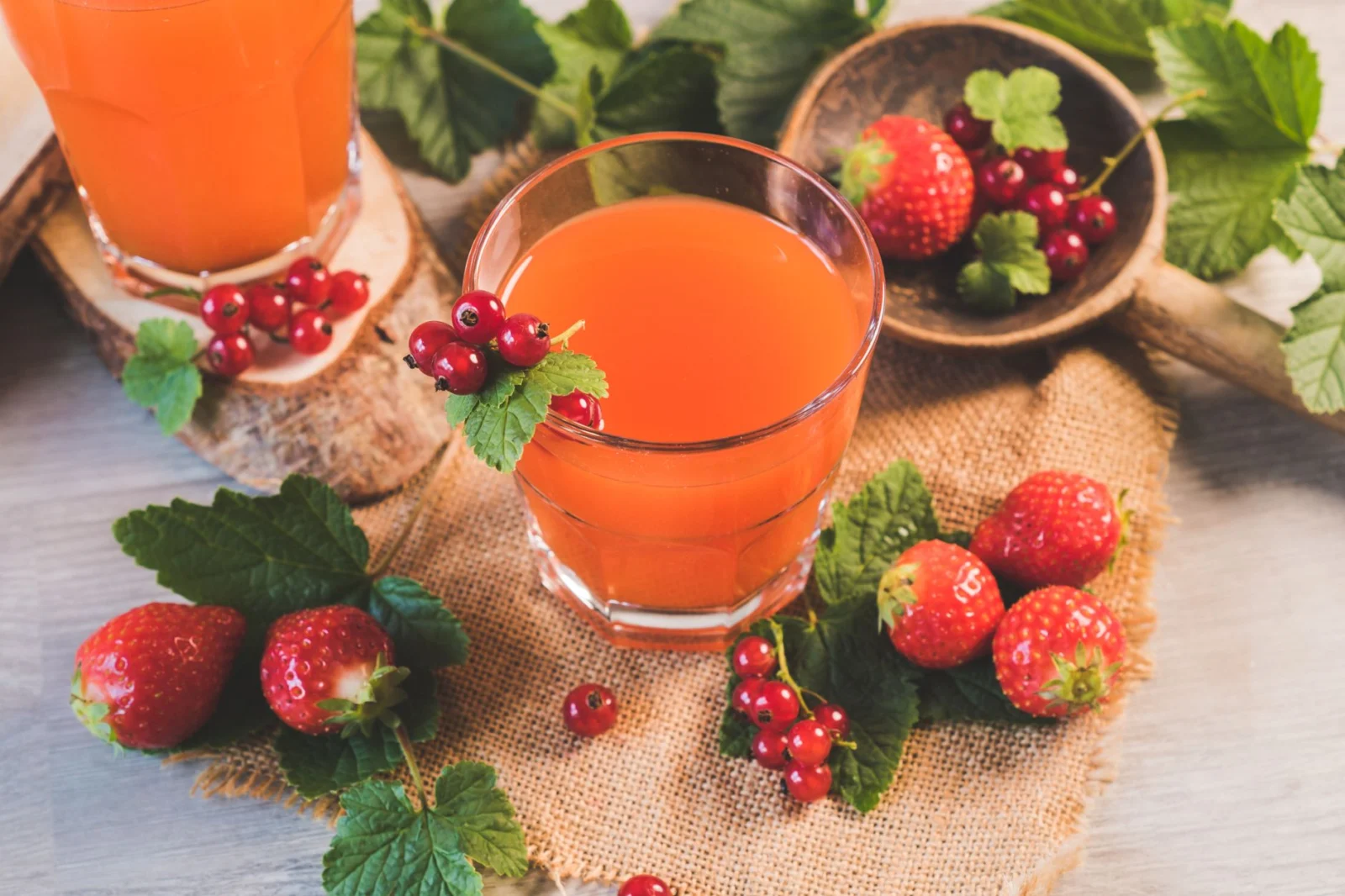
Why choosing the right juice matters for type 2 diabetes
At our clinic, Dr. Moxit Shah often hears patients ask, “Can I drink juice?” Juice can be a source of natural sugars, and when it is made from high‑glycemic fruits or contains added sugar, it can raise blood glucose quickly. For people with type 2 diabetes, frequent spikes make it harder to keep HbA1c (average blood sugar) in the target range. Choosing the best juice for diabetes type 2 means selecting low‑glycemic fruits, avoiding sweeteners, and controlling the amount you drink. A small glass of the right juice can provide vitamins, antioxidants and hydration without overwhelming the bloodstream.
Key takeaways
- Choose low‑glycemic fruits like guava, papaya, and strawberries for diabetes‑friendly juice.
- Prepare juice at home without added sugar and keep servings to about 150 ml.
- Control portions by measuring, pre‑portioning, and pairing juice with protein or healthy fat.
- Prefer whole fruit over juice when blood sugar is high or during weight‑loss phases.
Understanding why juice behaves differently from whole fruit is useful. Whole fruit contains a mesh of soluble and insoluble fiber that forms a gel‑like matrix in the stomach, slowing the entry of glucose into the bloodstream. When fruit is blended, most of that fiber is left behind in the pulp, so the sugars become more readily available for absorption. This is why a 150 ml glass of juice can have a similar impact on blood sugar as a candy, even though the fruit itself would be a healthier snack.
Key points to remember:
- Whole fruit contains fiber that slows sugar absorption; juice removes most of that fiber.
- Even 100 ml of sweetened juice can contain the same sugar as a candy.
- Portion size and timing (e.g., with a meal) influence the glucose response.
- Choosing low‑glycemic fruit, adding a pinch of spice, or pairing juice with protein can blunt the rise.
By treating juice as a nutrient‑dense beverage rather than a sugary treat, you can enjoy it safely while managing diabetes. For broader guidance on diabetes care, see our Diabetes page.

Which fruits make low‑glycemic, diabetes‑friendly juices?
Low‑glycemic fruits release glucose slowly, making them better choices for juice. In India, many of these fruits are readily available year‑round or seasonally, and they fit easily into a typical Indian kitchen.
Top low‑glycemic fruits
- Guava – rich in vitamin C and fiber; a small glass stays under 10 g of natural sugar. Guava is abundant in Gujarat during the winter months and can be bought at local markets for a modest price.
- Papaya – contains papain enzyme that aids digestion; blend with a splash of lime for extra flavor. Fresh papaya is often sold in roadside stalls, making it a convenient option.
- Strawberries (available fresh or frozen) – low in carbs and high in antioxidants. Frozen strawberries are a budget‑friendly way to enjoy them year‑round and can be stored in the freezer for quick juice preparation.
- Apple (green) – choose a tart variety such as ‘Granny Smith’; keep the peel on when possible, then strain. Green apples are widely available in supermarkets and are relatively inexpensive compared with imported varieties.
- Kiwi – a vitamin‑rich option that adds a tangy twist. Though not grown locally, kiwi is sold in most large grocery stores and can be used sparingly to add flavor without adding many carbs.
These fruits also appear in our article on 5 Best Fruits for Diabetics – Safe Choices for Blood Sugar. Avoid high‑glycemic fruits such as mango, pineapple or ripe banana for juice, as they can cause rapid spikes.
When you shop, look for fruits that are firm, free of bruises, and have a pleasant aroma. Ripe but not over‑ripe fruit will have a lower glycemic impact because the sugars have not yet broken down into simple glucose. If you are unsure, ask the vendor for the freshest batch, or choose fruits that are locally sourced, as they tend to be less processed.
How to prepare homemade juice without added sugar
Making juice at home gives you full control over ingredients, texture, and portion size. Follow these simple steps, and you will have a refreshing, diabetes‑friendly drink ready in minutes.
- Wash the fruit thoroughly under running water. Use a clean brush for fruits with thick skins such as apples.
- Remove seeds and pits; keep the skin on when it is edible (e.g., apple, kiwi) to retain fiber.
- Chop into small pieces and blend with a little cold water, unsweetened almond milk, or low‑fat buttermilk for a creamy texture.
- Strain through a fine mesh if you prefer a smoother texture, but keep some pulp for extra fiber. The pulp can be added back into the drink later, or used in a fruit salad.
- Serve immediately; fresh juice loses nutrients after a few hours, especially vitamin C.
Tips for flavor without sugar:
- Add a pinch of roasted cumin powder for a savory note that is common in Indian drinks like ‘jeera water’.
- Mix low‑glycemic fruit with a few fresh mint leaves; mint adds a cooling sensation and aids digestion.
- Use a squeeze of lemon or lime to brighten the taste and increase vitamin C content.
- For a festive touch, stir in a few fresh basil leaves or a tiny piece of ginger; both have antioxidant properties.
Remember, a typical serving is about 150 ml (½ cup). Larger glasses quickly add up in carbohydrate content. If you need a larger drink, consider diluting the juice with sparkling water or plain water to keep the sugar load low while still enjoying the flavor.
Can I enjoy juice during festivals and fasting periods?
Indian festivals often feature sweet drinks, and many people fast during Navratri or Ramadan. Dr. Moxit Shah advises a few strategies to keep juice diabetes‑friendly during these times, while still honoring cultural traditions.
Festival ideas
- Prepare a “fruit punch” using low‑glycemic juices (guava, papaya) mixed with sparkling water and a few fresh basil leaves. The carbonation adds a festive fizz without extra sugar.
- Replace sugary sherbet with a chilled cucumber‑mint juice, which is hydrating and low in carbs. Blend cucumber, mint, a dash of black salt, and a squeeze of lime for a refreshing treat.
- For Diwali, serve a glass of warm spiced guava juice with a pinch of cinnamon and cardamom; the spices add flavor without calories.
Fasting tips
- During daytime fasts, a small glass of unsweetened coconut water can replace juice for electrolytes. Coconut water is naturally low in sugar and provides potassium.
- If juice is allowed, limit it to 100 ml and pair with a handful of nuts (almonds, walnuts) or a small piece of paneer. The protein and healthy fat slow carbohydrate absorption.
- Prepare your juice the night before and keep it refrigerated; this prevents the temptation to buy packaged sugary drinks when you break the fast.
Planning ahead and preparing juice in advance helps avoid impulse choices that may contain hidden sugars. Discuss with your doctor whether a small juice serving fits into your fasting plan, especially if you are on insulin or sulfonylureas, as these medicines can increase the risk of low blood sugar.
Tips to keep juice portion sizes in check
Portion control is the cornerstone of safe juice consumption. Here are practical ways to stay within limits, especially when you have a busy household or when guests ask for “just one more glass”.
- Measure your glass. Use a standard 150 ml cup rather than a large tumbler. A kitchen measuring cup works well, and you can keep one in the fridge for quick reference.
- Pre‑portion. Fill a small bottle in the morning and keep the rest in the fridge for later days. When the bottle is empty, you know it’s time to make a fresh batch.
- Pair with protein or healthy fat. A few almonds, a slice of paneer, or a spoonful of Greek yogurt can blunt the glucose rise and keep you feeling full longer.
- Track carbs. Add the juice’s carbohydrate count to your daily log (most apps have Indian food databases). Seeing the numbers helps you balance the rest of your meals.
- Use visual cues. Place a small glass on the kitchen counter instead of a tall glass; the visual size reminds you of the portion.
- Limit frequency. Treat juice as an occasional treat—perhaps once or twice a week—rather than a daily habit.
By treating juice like any other carbohydrate source, you can enjoy it without jeopardizing blood sugar control. If you notice that even a small glass consistently raises your glucose, discuss the pattern with Dr. Moxit Shah so the plan can be adjusted.
When to avoid juice and opt for whole fruit
Whole fruit retains fiber, which slows sugar absorption and promotes satiety. Choose whole fruit instead of juice in the following situations:
- When your blood sugar is already elevated (fasting glucose > 130 mg/dL). The extra fiber helps prevent further spikes.
- During weight‑loss phases where calorie density matters. Whole fruit provides the same nutrients with fewer calories per gram because of the fiber bulk.
- If you experience rapid post‑meal spikes after drinking juice, even in small amounts.
Eating an apple, a bowl of berries, or a sliced guava provides the same vitamins with added fiber, helping you feel full longer. For a broader view on managing blood sugar naturally, read How to Control Blood Sugar: 10 Practical Diabetes Management Tips.
When you choose whole fruit, you can also enjoy it as a snack between meals, which can prevent overeating at the next meal. Discuss with your doctor how many pieces of fruit fit into your individualized carbohydrate target.
When to see an endocrinologist
If you notice persistent high readings, frequent lows, or difficulty keeping your target HbA1c despite diet and medication, it is time to schedule an appointment. Dr. Moxit Shah can review your treatment plan, suggest personalized nutrition strategies, and adjust medicines safely. Early professional guidance helps prevent complications and keeps you on track for a healthier life.
During the visit, consider bringing the following information:
- A 1‑week log of your blood glucose readings, noting the time of each reading and what you ate or drank (including any juice).
- Details of the portion sizes of juice you consume, and whether you pair it with protein or fat.
- Any symptoms you experience after drinking juice, such as rapid heart rate, excessive thirst, or fatigue.
- Questions about how juice fits into your overall carbohydrate budget, especially during festivals or fasting periods.
Having this data helps Dr. Shah tailor advice that respects your cultural preferences while keeping your diabetes well‑controlled.
Frequently asked questions
Can I drink juice every day if I have type 2 diabetes?
A small, low‑glycemic juice (about 150 ml) can be part of a balanced diet, but it should not replace whole fruits or other nutrient sources. Monitor your blood sugar and keep the frequency moderate.
Is there any benefit to adding sugar substitutes to juice?
Artificial sweeteners do not raise blood glucose, but they may affect taste preferences. If you need sweetness, a tiny amount of stevia or monk fruit can be used, but the safest option is to enjoy the natural flavor of the fruit.
How many carbs are in a typical glass of homemade guava juice?
A 150 ml glass of fresh guava juice usually contains around 10‑12 grams of carbohydrates, mostly natural sugars. This amount fits within most diabetes meal plans when counted properly.
Can I drink juice during Ramadan if I am fasting?
During the non‑fasting hours, a small glass of unsweetened juice is acceptable, but keep the portion small and pair it with protein or nuts to avoid rapid glucose spikes.
Why is whole fruit better than juice for blood sugar control?
Whole fruit retains fiber, which slows the absorption of sugars and helps you feel full longer. Juice removes most of this fiber, leading to quicker and higher blood glucose peaks.
Need personalised advice? Book a consultation with Dr. Moxit Shah at Vishuddha Endocrine Clinic, Ahmedabad. Book an appointment or call +91 99799 92797.
This article is for general education and does not replace a consultation. Please speak to your doctor before making any change to your treatment.
Image credits: Photo: Ylanite Koppens / Pexels · Photo: RDNE Stock project / Pexels