
Can type 2 diabetes be managed with fewer medicines? In some people, yes—but the goal should not be to avoid medicines at any cost. The goal is to achieve safe, individualized glucose control while reducing unnecessary treatment burden whenever lifestyle improvement and weight management make that possible.
For many people with type 2 diabetes, better food choices, regular physical activity, weight reduction, adequate sleep and consistent monitoring can improve blood glucose substantially. The 2026 American Diabetes Association (ADA) Standards of Care note that weight loss can improve glycemia and may reduce the need for glucose-lowering medicines, while treatment should be individualized according to glucose goals, weight goals, cardiovascular and kidney disease, hypoglycemia risk and other factors.
What Does “Minimal Medicine” Really Mean?
Minimal medicine does not mean stopping tablets or insulin without medical advice. It means using the simplest effective treatment plan for the individual.
- Use lifestyle measures as a foundation of diabetes care.
- Choose medicines that provide meaningful benefits for the person’s specific risks and goals.
- Avoid unnecessary duplication of medicines.
- Review treatment regularly rather than automatically increasing medicines.
- Consider dose reduction or discontinuation when glucose control improves and it is clinically safe.
Medication reduction is particularly important when a person develops low blood glucose or when glucose levels become substantially lower than the individualized target. Medicines with a higher hypoglycemia risk, including sulfonylureas, meglitinides and insulin, may need reassessment when treatment is intensified or lifestyle changes produce major improvements.
1. Build Diabetes Management Around Food Quality
There is no single diet that is best for every person with type 2 diabetes. A sustainable eating pattern should fit the person’s culture, food preferences, schedule, medical conditions and weight goals.
A practical approach is to make meals more nutrient-dense and reduce foods that cause excessive calorie intake:
- Prioritize vegetables, pulses, whole grains and other minimally processed foods.
- Include an appropriate protein source with meals.
- Choose whole fruit in sensible portions rather than fruit juice or sugary drinks.
- Reduce refined carbohydrates, sweets, bakery products and ultra-processed foods.
- Control portion size and total calorie intake when weight reduction is needed.
- Limit frequent snacking and sugar-sweetened beverages.
The best eating pattern is one that a person can follow consistently for years—not a highly restrictive diet that lasts only a few weeks.
2. Make Physical Activity a Daily Treatment
Physical activity improves insulin sensitivity, fitness and glucose management. A commonly recommended target for adults with type 2 diabetes is at least 150 minutes of moderate-intensity physical activity per week, individualized to fitness, age, complications and preferences.
Walking is an excellent starting point for many people. Resistance training can also be valuable because maintaining or increasing muscle mass supports metabolic health.
It is also useful to reduce prolonged sitting. Short activity breaks during the day can be easier to maintain than relying on one exercise session alone.
3. Weight Loss Can Reduce the Need for Diabetes Medicines
For people with type 2 diabetes who have excess weight, weight management can be a major part of treatment. The ADA 2026 Standards of Care state that a weight loss of around 5–7% of baseline body weight can improve glycemia and other cardiometabolic risk factors. Greater, sustained weight loss may provide additional benefits and can sometimes contribute to diabetes remission.
Weight loss should be approached safely and individually. The objective is not simply a lower number on the weighing scale but better metabolic health, fitness and long-term sustainability.
4. Use Glucose Monitoring to Guide Decisions
Blood glucose monitoring and HbA1c help determine whether treatment is working. In selected people, continuous glucose monitoring (CGM) can provide additional information about glucose patterns.
Monitoring is especially useful when changing medicines, increasing physical activity, reducing food intake or using treatments that can cause hypoglycemia.
Good glucose data can help the clinician identify when treatment can be simplified rather than automatically adding another medicine.
5. When Can Medicines Potentially Be Reduced?
Medication reduction should be considered only after reviewing the person’s overall clinical picture. It may be appropriate when:
- HbA1c and glucose readings are consistently within the individualized target.
- There are episodes or a significant risk of hypoglycemia.
- Weight loss and lifestyle changes have substantially improved glucose control.
- A medicine provides little additional benefit or causes troublesome adverse effects.
- The person’s health status, age, kidney function or other circumstances have changed.
Any reduction should be planned with the treating doctor and followed by appropriate glucose monitoring. This is particularly important for people using insulin or medicines that can cause hypoglycemia.
6. Fewer Medicines Does Not Always Mean Better Diabetes Care
Some medicines are prescribed not only to lower glucose but also because they can reduce cardiovascular or kidney risk in appropriate patients. Therefore, a treatment plan should not be judged only by the number of tablets or injections.
For example, in selected people with type 2 diabetes and cardiovascular, kidney or weight-management considerations, a medicine may offer benefits beyond its effect on HbA1c. The choice should be individualized after considering benefits, risks, cost, tolerability and patient preferences.
7. Preventing Diabetes Complications Remains the Priority
Good diabetes management is more than achieving a good HbA1c. Regular assessment should also address:
- Blood pressure and cardiovascular risk.
- Cholesterol and other lipid risk factors.
- Kidney function and urine albumin when appropriate.
- Eye screening.
- Foot and neuropathy assessment.
- Weight and waist circumference.
- Smoking, alcohol intake, sleep and mental well-being.
8. A Simple Practical Framework
| Area | Practical goal |
|---|---|
| Food | Mostly minimally processed, nutrient-dense foods with appropriate portions |
| Exercise | Work toward at least 150 minutes/week of moderate activity when appropriate |
| Strength | Include resistance exercise according to ability |
| Weight | Aim for sustainable weight reduction when excess weight is present |
| Monitoring | Use HbA1c and glucose data to guide treatment decisions |
| Medicines | Use the simplest effective regimen; reassess regularly |
| Complications | Monitor kidney, eye, nerve, foot and cardiovascular health |
When Should You See an Endocrinologist?
An endocrinologist can help when diabetes is difficult to control, multiple medicines are being used, hypoglycemia is occurring, significant weight management is needed, insulin treatment is being considered, or there is uncertainty about whether medicines can safely be reduced.
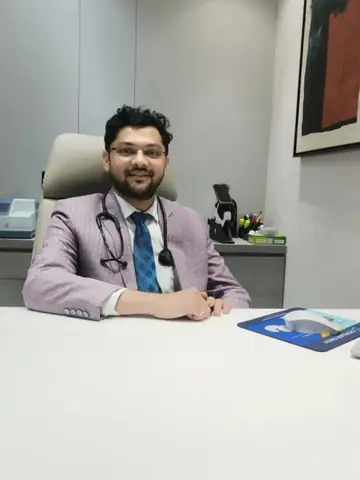
If you are looking for a Diabetes Doctor in Ahmedabad, Dr. Moxit Shah, DM Endocrinology, provides individualized diabetes care at Vishuddha Endocrine Clinic.
You may also read the detailed Diabetes Management Guide and learn more about when to consult a Diabetes Specialist.
Important Safety Message
Do not stop diabetes medicines on your own. Some medicines, especially insulin and insulin-secretagogues, can cause serious problems if doses are changed incorrectly. Medication reduction should be based on glucose readings, HbA1c, symptoms, kidney function, other medical conditions and the type of medicine being used.
Key Takeaways
- Lifestyle modification is a core component of type 2 diabetes management.
- Healthy eating, physical activity and sustainable weight loss can substantially improve glucose control.
- Improved lifestyle may allow some people to use fewer or lower doses of glucose-lowering medicines.
- The aim is not “zero medicines”; it is the safest and simplest effective treatment plan.
- Medicines with cardiovascular or kidney benefits may still be appropriate even when HbA1c is well controlled.
- Any medication reduction should be supervised and followed by appropriate monitoring.
References
- American Diabetes Association. Standards of Care in Diabetes—2026: Obesity and Weight Management for the Prevention and Treatment of Diabetes.
- American Diabetes Association. Standards of Care in Diabetes—2026: Pharmacologic Approaches to Glycemic Treatment.
- Davies MJ, et al. Management of Hyperglycemia in Type 2 Diabetes, 2022. ADA/EASD Consensus Report.
Dr. Moxit Shah, DM Endocrinology
Vishuddha Endocrine Clinic
104-105, Elite Magnum, Bhuyangdev Cross Road, Opp. Utsav Elegance, Vardhmannagar Society, Ghatlodiya/Memnagar, Ahmedabad, Gujarat 380061
Phone: +91 99799 92797