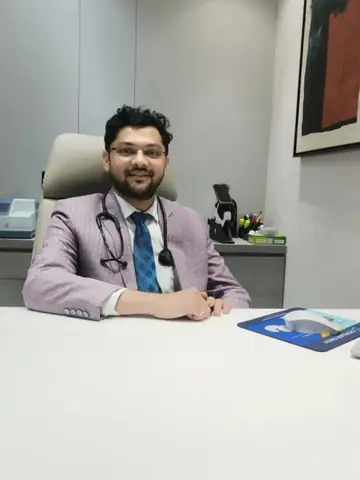

When you search for an endocrinologist in Ahmedabad, you want a doctor who understands the hormonal balance that keeps you feeling your best. At Vishuddha Endocrine Clinic, Dr. Moxit Shah and his team provide warm, personalised care for conditions ranging from diabetes to bone health.
Key takeaways
- Endocrinologists treat hormone‑related conditions such as diabetes, thyroid disorders, PCOS, obesity, and bone health.
- Look for a DM in Endocrinology, experience with Indian diets, and a supportive multidisciplinary team.
- Your first visit includes history, exam, basic labs, and a clear, personalised care plan.
- Vishuddha Endocrine Clinic offers affordable fees, tele‑consults, and ongoing education for long‑term health.
What does an endocrinologist do?
An endocrinologist is a physician who specialises in glands and the hormones they produce. Hormones act as messengers that control metabolism, growth, mood, and many other body functions. When these messages are out of sync, you may notice symptoms such as unexplained weight changes, fatigue, or irregular periods.
In India, common endocrine disorders include:
- Diabetes mellitus – high blood sugar that needs lifelong monitoring.
- Thyroid disorders – both under‑active (hypothyroidism) and over‑active (hyperthyroidism) glands.
- Polycystic ovary syndrome (PCOS) – hormonal imbalance affecting menstrual cycles and fertility.
- Obesity and related metabolic syndrome.
- Bone‑mineral disorders such as osteoporosis.
Our clinic uses modern tests, dietary advice that fits Indian kitchens, and evidence‑based medicines to restore harmony. For example, we may suggest replacing refined wheat flour (maida) with millets like bajra or jowar, which have a lower impact on blood sugar and provide more fibre. In thyroid care, we look at iodine‑rich foods such as iodised salt, seaweed snacks, and dairy, while also checking for goitrogenic items like raw cabbage that can affect thyroid function when eaten in large amounts.

When should I see an endocrinologist in Ahmedabad?
Not every hormone‑related issue needs a specialist, but certain signs suggest a referral is wise. Consider an appointment if you experience any of the following:
- Fasting blood sugar above 126 mg/dL on more than one occasion.
- Sudden, unexplained weight loss or gain despite unchanged diet.
- Persistent fatigue, cold intolerance, or heat intolerance.
- Irregular periods, excess hair growth, or acne that does not improve with routine treatment.
- Family history of early‑onset diabetes, thyroid disease, or osteoporosis.
These symptoms often appear during routine health checks, festivals, or fasting periods, making early detection especially important. For instance, during Navratri or Ramadan, changes in meal timing can unmask hidden blood‑sugar problems, while the stress of wedding season may bring thyroid‑related fatigue to the surface.
When you book an appointment, think about the questions you want to ask: How will my condition affect daily life? What dietary changes are realistic for my family’s cooking style? Are there any cultural or religious practices I should discuss, such as fasting during festivals?
How to choose the right endocrinologist for diabetes care?
Diabetes management requires a doctor who stays current with guidelines from the American Diabetes Association (ADA) and Indian bodies like ICMR and RSSDI. Look for the following qualities:
- DM (Doctor of Medicine) in Endocrinology and a recognised fellowship.
- Experience with both insulin and newer agents such as GLP‑1 analogues.
- Comfort discussing diet plans that include Indian staples like millets, dal, and seasonal fruits.
- Availability of a multidisciplinary team – dietitians, diabetes educators, and physiotherapists.
- Positive patient reviews and transparent fee structure.
At our clinic you can read more about our Diabetes services and how we tailor treatment to Indian lifestyles. When you meet Dr. Shah, you can expect a conversation that respects your culinary preferences – for example, using low‑glycaemic index versions of poha or upma, and suggesting portion‑controlled servings of traditional sweets during festivals.
What can I expect during my first visit?
From the moment you step into our clinic, the process is designed to be smooth and reassuring.
- Registration: You will provide basic details and any previous medical reports.
- History taking: Dr. Shah asks about symptoms, family history, diet, activity, and any fasting practices.
- Physical examination: Blood pressure, weight, waist circumference, and a quick thyroid check.
- Laboratory tests: Blood sugar, HbA1c, thyroid function, lipid profile, and vitamin D – all processed in nearby accredited labs.
- Discussion: Results are explained in simple language, and a personalised plan is drafted.
We encourage you to bring a family member for support and to write down any questions you have. Typical discussion points include:
- How your current meals – such as chapati, rice, or millet rotis – fit into your treatment plan.
- Ways to stay active during monsoon season, when outdoor exercise may be limited.
- Strategies for safe fasting during religious observances, ensuring blood‑sugar stability.
- Potential need for referrals to a dietitian or physiotherapist.
All information is recorded in a patient‑friendly report that you can keep for future visits.
How does Dr. Moxit Shah’s clinic support ongoing management?
Endocrine conditions are chronic, so long‑term partnership matters. At Vishuddha Endocrine Clinic we offer:
- Regular follow‑up visits every 3‑6 months, with flexible timing to suit work or school schedules.
- Tele‑consultations for quick queries, especially during festivals or when travel is difficult.
- Educational workshops on Indian cooking for diabetes, thyroid‑friendly meals, and safe exercise routines.
- Access to a dedicated Dr. Moxit Shah – profile page where you can read about his expertise and research interests.
- Special programmes for weight‑loss using GLP‑1 medicines, explained in our GLP‑1 Specialist in Ahmedabad article.
Our aim is to keep you empowered, whether you are managing type 2 diabetes, thyroid disease, PCOS, or bone health. During each visit we review your lab results, discuss any new symptoms, and adjust lifestyle advice. For example, if you notice increased hair growth (hirsutism) with PCOS, we may suggest a combination of dietary fibre, regular walking, and stress‑reduction techniques such as yoga, which are culturally familiar and inexpensive.
We also provide printed leaflets in Gujarati and Hindi that explain medication timing, the importance of regular foot checks for diabetes, and simple home‑based exercises that can be done while watching television.
What are the costs and appointment options?
We understand that cost is a major consideration for families in Gujarat. Our fee structure is transparent and designed to be affordable:
- Initial consultation: a modest amount that covers history, exam, and basic lab ordering.
- Follow‑up visits: lower fees for routine checks, with package discounts for quarterly reviews.
- Laboratory tests: performed at partner labs with government‑approved rates; we can help you claim insurance where applicable.
- Tele‑consult fees: reduced rates for virtual appointments, ideal during fasting periods or when you are away from Ahmedabad.
We do not require advance payment for medication; prescriptions are filled at reputable pharmacies with price‑matching options. If you need long‑term medicines such as metformin or levothyroxine, we can guide you to generic versions that are widely available at local chemists for a fraction of the branded cost.
For families on a tight budget, we offer a “care bundle” that includes the initial visit, a set of essential labs, and one follow‑up within three months at a single discounted price. This helps you start the treatment journey without unexpected expenses.
When to see an endocrinologist
Schedule an appointment if you notice persistent hormone‑related symptoms, have a strong family history of endocrine disease, or need specialised guidance for diabetes, thyroid, PCOS, weight management, or bone health. Early intervention can prevent complications and improve quality of life.
Before your visit, consider preparing a brief summary of:
- Any recent changes in weight, appetite, or energy levels.
- Details of your typical daily meals, including snacks and festive foods.
- Physical activity patterns – whether you walk, practice yoga, or engage in sports.
- Any medications, over‑the‑counter supplements, or herbal remedies you are using.
Having this information ready helps Dr. Shah tailor a plan that respects your cultural habits, budget, and health goals. At Vishuddha Endocrine Clinic we believe that a collaborative approach – doctor, patient, and family together – is the key to lasting hormonal health.
Frequently asked questions
What qualifications should an endocrinologist have?
A qualified endocrinologist in India holds a DM (Doctor of Medicine) or DNB in Endocrinology, is registered with the Medical Council, and follows guidelines from bodies like ADA, ICMR, and RSSDI. Experience with Indian dietary patterns is also valuable.
How often should I visit my endocrinologist for diabetes?
For stable type 2 diabetes, most doctors recommend a visit every three to six months. If your blood sugar is fluctuating, you may need more frequent appointments, especially after medication changes or during fasting periods.
Can I get a tele‑consultation for thyroid issues?
Yes. Tele‑consultations are useful for reviewing test results, adjusting medication doses, and answering questions. However, an in‑person visit is needed for a physical neck examination and ultrasound if a thyroid nodule is suspected.
Is weight‑loss medication safe for Indian patients?
Weight‑loss medicines such as GLP‑1 analogues are approved in India and can be safe when prescribed by a qualified endocrinologist. They are combined with diet and lifestyle advice that respects Indian food habits.
Do I need a referral to see Dr. Moxit Shah?
No referral is required. You can book an appointment directly through our clinic’s phone line or website. Bring any previous reports, especially blood tests, to help Dr. Shah understand your health history.
Need personalised advice? Book a consultation with Dr. Moxit Shah at Vishuddha Endocrine Clinic, Ahmedabad. Book an appointment or call +91 99799 92797.
This article is for general education and does not replace a consultation. Please speak to your doctor before making any change to your treatment.
Image credits: Photo: Thirdman / Pexels · Photo: Shubham Jain / Pexels