
What is honey and how does it affect blood sugar?
Honey is a natural sweetener produced by bees from the nectar of flowers. It is a complex mixture of sugars, primarily fructose (about 38 %) and glucose (about 31 %), together with small amounts of sucrose, water, enzymes, vitamins, minerals and antioxidants such as flavonoids. When you consume honey, the glucose component is absorbed rapidly through the small intestine, leading to an immediate rise in blood glucose. Fructose, on the other hand, is mainly metabolised by the liver and enters the bloodstream more slowly, but it still adds to the total carbohydrate load that must be accounted for in diabetes management.
Key takeaways
- Honey has a slightly lower glycemic index than table sugar but still adds carbs.
- Portion control and pairing honey with protein or fiber can reduce glucose spikes.
- Indian guidelines limit all added sugars, including honey, to about 10% of daily calories.
- Use honey sparingly, track it in your food log, and consult your doctor if blood sugars rise.
The speed at which a carbohydrate raises blood sugar is expressed by the glycemic index (GI). Honey’s GI typically ranges from 45 to 65, placing it in the low‑to‑moderate category. By comparison, table sugar (sucrose) scores around 65‑70, and pure glucose scores 100. Although honey’s GI is modestly lower, it is still a source of carbohydrate and must be counted in the daily carbohydrate budget.
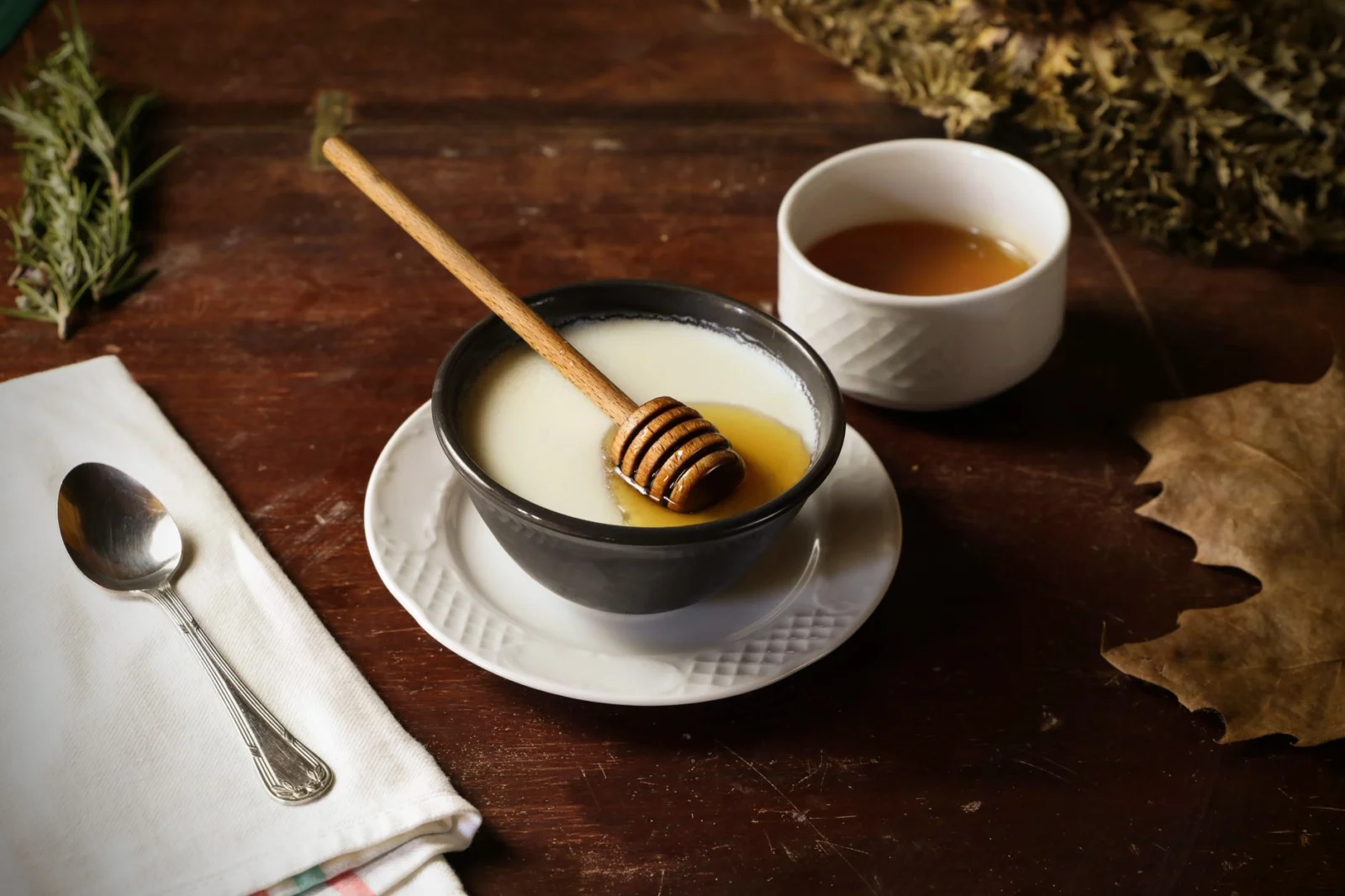
Practical Indian example: a teaspoon (approximately 7 g) of honey provides about 5 g of carbohydrate. In a typical Gujarati breakfast you might drizzle honey over a small bowl of plain curd (dahi) or stir it into warm milk with a pinch of cardamom. Even this modest amount adds carbs, so pairing it with protein‑rich foods (like a handful of roasted peanuts) or fibre‑rich foods (such as a few pieces of whole‑grain toast) helps to blunt a rapid glucose rise.
When you discuss honey with your doctor, you may want to ask:
- How much honey can fit into my individual carbohydrate target?
- Are there particular brands or types of honey that have a more predictable effect on my glucose?
- Should I prefer raw, unprocessed honey over commercial varieties for overall health?

How does honey compare to regular sugar for diabetics?
Both honey and refined white sugar supply calories and carbohydrates, but there are subtle differences that matter for diabetes care:
- Calorie content: Honey contains about 64 kcal per tablespoon, while sugar provides roughly 49 kcal. The extra calories in honey come from its lower water content and the presence of trace nutrients.
- Sweetness: Because honey tastes sweeter than sugar, many people find they need a smaller volume to achieve the same level of sweetness, which can help reduce total carbohydrate intake.
- Glycemic response: The slightly lower GI of honey may lead to a slower rise in blood glucose, but the effect is modest and can vary with the floral source, processing method and the amount used.
- Nutrients: Honey provides minute amounts of antioxidants (such as phenolic compounds) and minerals like potassium and calcium, whereas refined sugar offers none.
In Indian kitchens, honey often replaces sugar in tea, desserts such as shrikhand, or as a topping for poha and upma. While the lower GI can be helpful, the carbohydrate content remains, so the overall effect on blood sugar depends on portion size and the other foods eaten at the same time.
Questions you might raise with Dr. Moxit Shah include:
- Is it safer for me to use honey in my tea instead of sugar, given my current medication regimen?
- How does the carbohydrate count of honey compare with that of jaggery, which is another common sweetener in Gujarat?
Can people with diabetes safely include honey in their meals?
Yes, honey can be part of a balanced diet for many people with diabetes, provided it is used mindfully. The key steps are:
- Count the carbohydrate content of honey as part of your total daily allowance.
- Pair honey with protein (such as paneer, nuts or Greek‑style dahi) or fibre‑rich foods (like whole‑grain roti, oats or mixed vegetables) to blunt rapid glucose spikes.
- Choose unsweetened or low‑fat dairy products when adding honey, to keep total calories in check.
- Monitor blood glucose after trying a new honey‑containing dish, especially if you are starting a new routine.
For example, a bowl of plain Greek‑style dahi (about 150 g) mixed with a half‑teaspoon of honey and a sprinkle of roasted almonds offers protein, healthy fat and a modest amount of honey. This combination is less likely to cause a sudden rise compared with honey alone because the protein and fat slow gastric emptying.
When you visit the clinic, consider discussing:
- Your typical daily carbohydrate goal and how honey fits within that limit.
- Any recent patterns of post‑meal glucose spikes that might be linked to sweeteners.
- Whether a structured food‑diary that includes honey entries would help you and your care team fine‑tune your plan.
Practical tips for using honey without spiking glucose
Here are some Indian‑friendly strategies that Dr. Moxit Shah recommends:
- Measure portions: Use a level teaspoon rather than a heaping spoon. One teaspoon of honey equals roughly 5 g of carbohydrate, which is easier to track.
- Combine with fiber: Add honey to a bowl of mixed fruit (such as papaya, apple and berries) topped with a tablespoon of roasted chana dal or a handful of flax seeds. The soluble and insoluble fibre slows carbohydrate absorption.
- Use in cooking, not as a topping: When making a sweet chutney for paratha, blend a small amount of honey with tamarind, ginger and spices, then simmer it down. The heat reduces the perceived sweetness, letting you use less honey.
- Prefer raw or minimally processed honey: It retains more antioxidants, although the impact on blood sugar is similar to processed honey.
- Limit to special occasions: During festivals like Navratri, Diwali or Ganesh Chaturthi, replace a portion of sugar in sweets with honey, but keep the total sweetener amount modest.
- Pair with protein‑rich snacks: A small piece of low‑fat paneer or a boiled egg alongside a honey‑sweetened drink can help stabilise glucose.
Remember to record the honey amount in your food diary and check your post‑meal glucose 1‑2 hours later, especially when trying a new recipe. If you notice a pattern of higher readings, you may need to adjust the portion or choose a different sweetener.
When should diabetics avoid honey?
There are specific situations where honey is best avoided or limited:
- Uncontrolled diabetes: If your fasting or post‑prandial glucose is consistently above target, any extra carbohydrate, including honey, can worsen control.
- Pregnancy: Gestational diabetes requires strict carbohydrate monitoring; honey should be treated like any other sugar source.
- Kidney disease: Some patients need to limit potassium and phosphorus; certain honey varieties contain small amounts of these minerals.
- Allergy to bee products: Rare, but anaphylaxis risk makes honey unsuitable.
- During fasting periods: For Muslims observing Ramadan, honey breaks the fast and adds carbs, so it should be consumed only after sunset and within the overall carbohydrate budget.
In these cases, safer alternatives such as stevia, monk fruit or low‑calorie sweeteners may be preferable, as discussed in our article Are Artificial Sweeteners Healthier than Sugar in Diabetes?.
When you meet with your endocrinologist, you may want to ask:
- Whether any of my co‑existing conditions (e.g., kidney disease) require me to limit honey.
- How to adjust my medication if I decide to include a small amount of honey regularly.
What do Indian diabetes guidelines say about honey?
The Indian Council of Medical Research (ICMR) and the Research Society for the Study of Diabetes in India (RSSDI) classify honey as a form of added sugar. Their recommendations advise that total added sugars, including honey, should not exceed 10 % of total daily calories – roughly 50 g of carbohydrate for a 2000 kcal diet. This aligns with the American Diabetes Association (ADA) guidance that treats honey like any other sweetener.
Therefore, at our clinic we counsel patients to:
- Include honey only if it fits within the 10 % added‑sugar limit.
- Track the carbohydrate contribution in a daily log.
- Prefer whole‑food sources of sweetness, such as fresh fruit, when possible.
For broader lifestyle advice, you may also read our guide How to Control Blood Sugar Naturally: 10 Practical Diabetes Management Tips, which covers balanced meals, physical activity and mindful sweetener use.
During your consultation, consider asking:
- How the 10 % added‑sugar recommendation translates into real‑world portions for my typical Gujarati meals.
- Whether occasional use of honey on festivals counts toward the daily limit, or if it can be offset by reducing other sugars.
When to see an endocrinologist
If you notice persistent high blood sugars after using honey, experience frequent lows, or are unsure how to fit honey into your meal plan, schedule an appointment. Dr. Moxit Shah can review your medication, suggest individualized carbohydrate targets, and help you safely enjoy sweet foods while keeping diabetes under control.
Typical reasons to book a visit include:
- Unexplained rise in fasting glucose despite stable diet and activity.
- Difficulty estimating carbohydrate content of mixed dishes that contain honey.
- Planning for special occasions (weddings, festivals) where sweets are abundant and you want a clear strategy.
At our clinic we use a collaborative approach: you share your food diary, we review glucose trends, and together we decide whether honey can remain a modest part of your diet or if alternative sweeteners are more appropriate for your goals.
Frequently asked questions
Does honey raise blood sugar faster than sugar?
Honey’s glycemic index is modestly lower than that of white sugar, so it may cause a slightly slower rise. However, the difference is small, and both increase blood glucose proportionally to the amount consumed.
Can I replace sugar with honey in my tea?
Yes, you can use a half‑teaspoon of honey instead of a teaspoon of sugar, but remember to count the carbohydrate content and monitor your post‑meal glucose.
Is raw honey better for diabetics than processed honey?
Raw honey retains more antioxidants, but its carbohydrate composition is similar to processed honey, so the impact on blood sugar remains comparable.
What are safer sweetener alternatives for diabetes?
Low‑calorie options like stevia, monk fruit or sugar alcohols (e.g., erythritol) do not add carbohydrate and are often recommended when strict glucose control is needed.
Should I avoid honey during festivals?
Honey can be used in festive recipes, but keep portions small and balance it with protein or fiber. If your blood sugars are already high, it may be better to skip added honey altogether.
Need personalised advice? Book a consultation with Dr. Moxit Shah at Vishuddha Endocrine Clinic, Ahmedabad. Book an appointment or call +91 99799 92797.
This article is for general education and does not replace a consultation. Please speak to your doctor before making any change to your treatment.
Image credits: Photo: José Antonio Otegui Auzmendi / Pexels · Photo: Ubeydulah Beşir KÖROĞLU / Pexels