
Diabetes is one of the most common metabolic disorders affecting adults worldwide. It occurs when the body cannot produce enough insulin, cannot use insulin effectively, or both. Over time, persistently high blood glucose can damage the blood vessels, nerves, kidneys, eyes and heart.
The good news is that diabetes can be effectively managed, and many of its complications can be prevented or delayed with appropriate treatment, lifestyle changes and regular monitoring.
What Is Diabetes?
Diabetes mellitus is a chronic condition in which blood glucose, or blood sugar, becomes higher than normal.
Insulin is a hormone produced by the pancreas that helps glucose move from the bloodstream into cells, where it is used for energy.
When insulin production is inadequate or the body becomes resistant to insulin, glucose accumulates in the bloodstream, resulting in hyperglycemia.
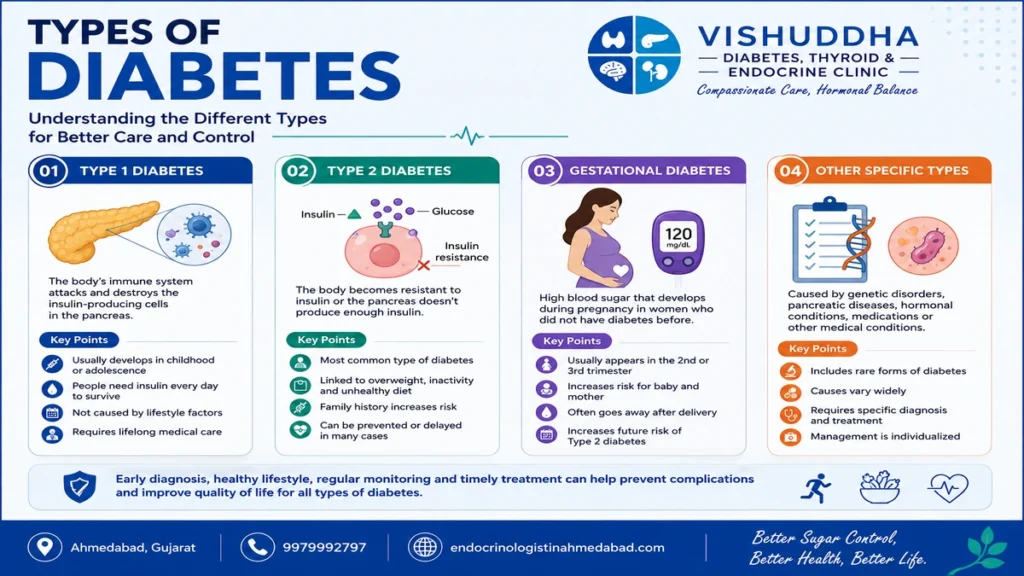
There are several types of diabetes, including:
- Type 1 diabetes
- Type 2 diabetes
- Gestational diabetes
- Other specific types of diabetes
More than 95% of people with diabetes have type 2 diabetes.
What Causes Diabetes?
The causes depend on the type of diabetes.
Type 1 Diabetes
Type 1 diabetes occurs because the immune system destroys the insulin-producing beta cells of the pancreas.
People with type 1 diabetes require insulin for survival.
Type 2 Diabetes
Type 2 diabetes usually develops because of a combination of:
- Insulin resistance
- Progressive decline in insulin secretion
- Genetic susceptibility
- Excess body weight
- Abdominal obesity
- Physical inactivity
- Unhealthy dietary patterns
- Increasing age
However, type 2 diabetes can also occur in people who are not overweight.
Gestational Diabetes
Gestational diabetes is diabetes or high blood glucose first recognized during pregnancy. It requires appropriate monitoring because it can affect both mother and baby and is associated with an increased future risk of type 2 diabetes.
What Are the Symptoms of Diabetes?
Diabetes may sometimes cause no symptoms at all, particularly in the early stages of type 2 diabetes.
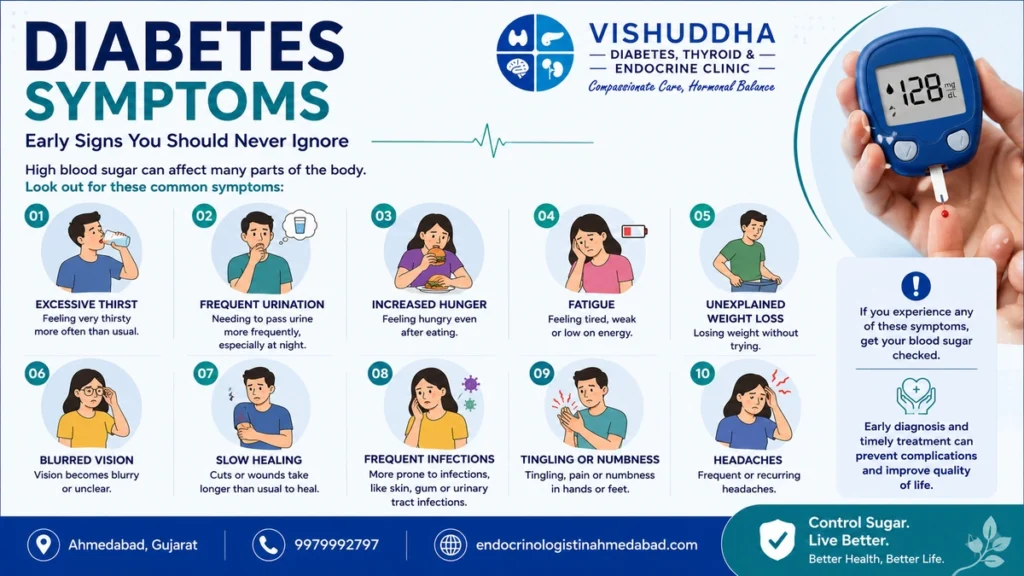
When blood glucose becomes significantly elevated, symptoms may include:
- Excessive thirst
- Frequent urination
- Increased hunger
- Unexplained weight loss
- Tiredness or weakness
- Blurred vision
- Recurrent infections
- Slow healing of wounds
- Tingling or numbness in the feet
Type 2 diabetes may develop gradually, and some people are diagnosed only after routine blood tests or after a complication develops.
This is why people with diabetes risk factors should consider appropriate screening even when they feel completely well.
How Is Diabetes Diagnosed?
Diabetes can be diagnosed using HbA1c, fasting plasma glucose, an oral glucose tolerance test (OGTT), or random plasma glucose in a person with classic symptoms or hyperglycemic crisis.
Current ADA diagnostic criteria for nonpregnant adults include:
| Test | Diabetes |
|---|---|
| HbA1c | ≥6.5% |
| Fasting plasma glucose | ≥126 mg/dL |
| 2-hour OGTT glucose | ≥200 mg/dL |
| Random plasma glucose with classic symptoms/crisis | ≥200 mg/dL |
In the absence of unequivocal hyperglycemia, abnormal results generally need confirmation with repeat or additional testing.
What Is Prediabetes?
Prediabetes means blood glucose is above the normal range but below the diagnostic threshold for diabetes.
According to ADA criteria, prediabetes includes:
- HbA1c: 5.7–6.4%
- Fasting glucose: 100–125 mg/dL
- 2-hour OGTT: 140–199 mg/dL
Prediabetes does not mean that diabetes is inevitable. Early lifestyle intervention and appropriate medical care can help reduce the risk of progression to type 2 diabetes.
Can Diabetes Be Cured?
This is one of the most common questions patients ask.
The answer depends on the type of diabetes and the individual patient.
Type 1 diabetes currently requires lifelong insulin therapy.
In type 2 diabetes, some people can achieve diabetes remission, particularly when substantial weight loss and early intensive treatment improve metabolic health.
However, it is better to think of diabetes as a condition requiring long-term metabolic care, rather than assuming that a normal sugar level means the disease can never return.
A person should not stop diabetes medicines simply because their glucose levels have improved without discussing this with their doctor.
How Is Type 2 Diabetes Treated?
Diabetes treatment is not the same for every patient.
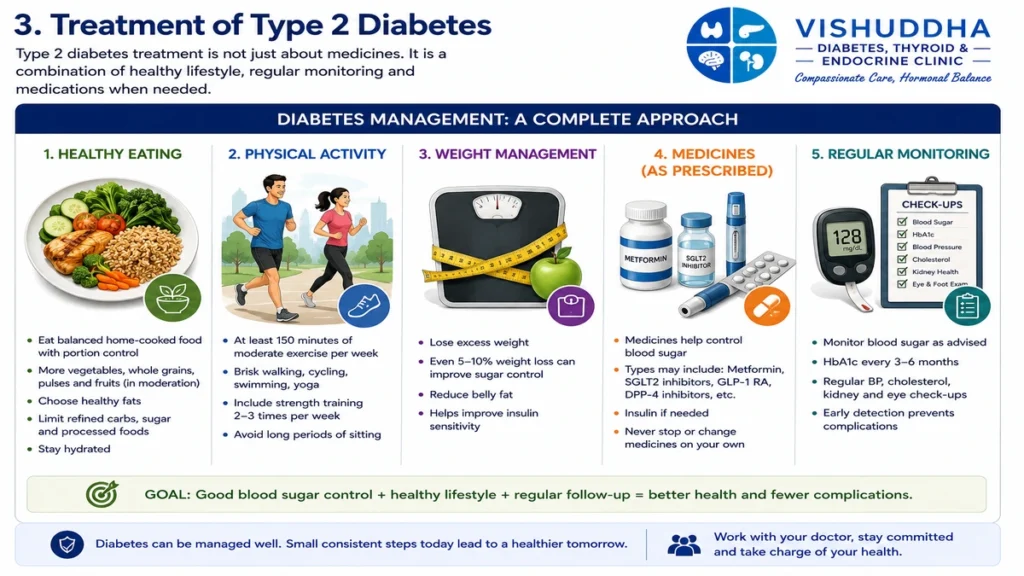
A treatment plan may include:
1. Healthy Eating
A diabetes-friendly diet should focus on:
- Vegetables
- Adequate protein
- Whole grains and high-fibre foods
- Appropriate portions of carbohydrates
- Healthy fats
- Minimally processed foods
The quantity and type of carbohydrate are important, but there is no single diabetes diet that works for everyone.
2. Physical Activity
Regular physical activity improves insulin sensitivity and helps with weight management.
WHO recommends at least 150 minutes of moderate-intensity physical activity per week for prevention and overall health.
Strength training can also be valuable for improving muscle health and metabolic fitness.
3. Diabetes Medicines
Depending on the patient’s condition, treatment may include medicines such as:
- Metformin
- SGLT2 inhibitors
- GLP-1 receptor agonists
- Dual GIP/GLP-1 receptor agonists
- DPP-4 inhibitors
- Sulfonylureas
- Thiazolidinediones
- Insulin
The choice depends on factors such as:
- HbA1c
- Body weight
- Cardiovascular disease
- Kidney function
- Risk of hypoglycemia
- Other medical conditions
- Cost and accessibility
- Patient preferences
There is no single “best diabetes medicine” for everyone.
What Are GLP-1 Medicines?
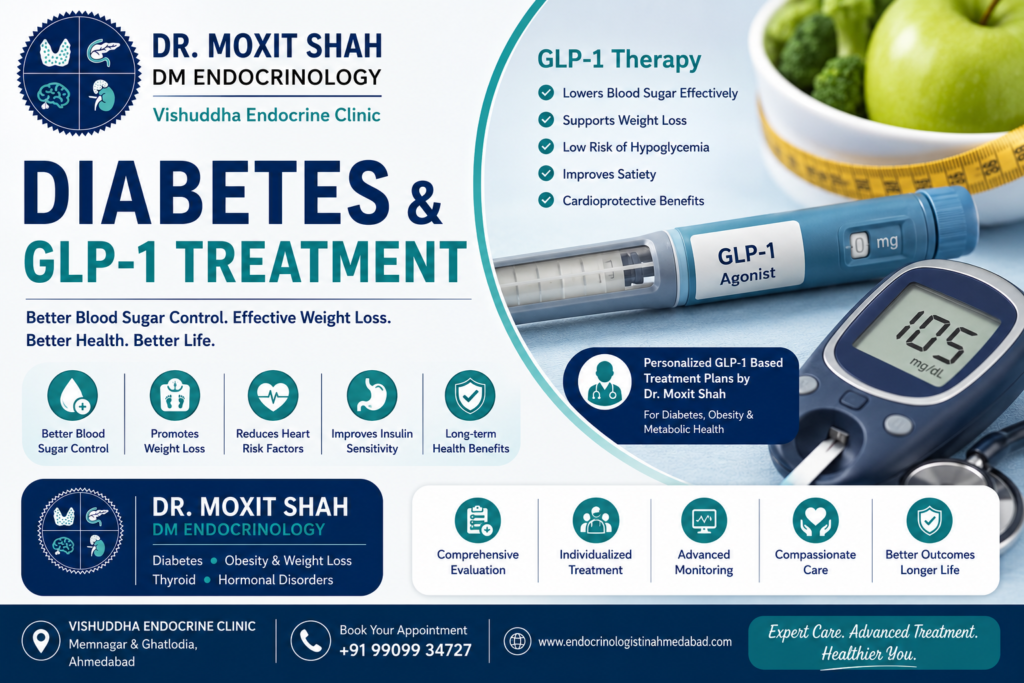
GLP-1 receptor agonists are an important group of modern diabetes medicines.
They can:
- Improve blood glucose control
- Reduce appetite
- Increase satiety
- Slow gastric emptying
- Support weight loss in appropriate patients
Some GLP-1-based medicines are injections, while oral semaglutide is available as a tablet.
Tirzepatide, used in brands such as Mounjaro and Yurpeak in India, acts on both GIP and GLP-1 receptors.
The choice of medication should be individualized by a doctor.
When Is Insulin Needed in Diabetes?
Insulin is essential for people with type 1 diabetes.
Some people with type 2 diabetes may also require insulin, particularly when:
- Blood glucose is very high
- HbA1c is significantly elevated
- There are symptoms of hyperglycemia
- Oral or non-insulin medicines are insufficient
- There is significant insulin deficiency
- Pregnancy or another clinical situation requires insulin
Starting insulin does not mean that a person has failed at managing diabetes.
Insulin is an important and highly effective treatment when it is clinically indicated.
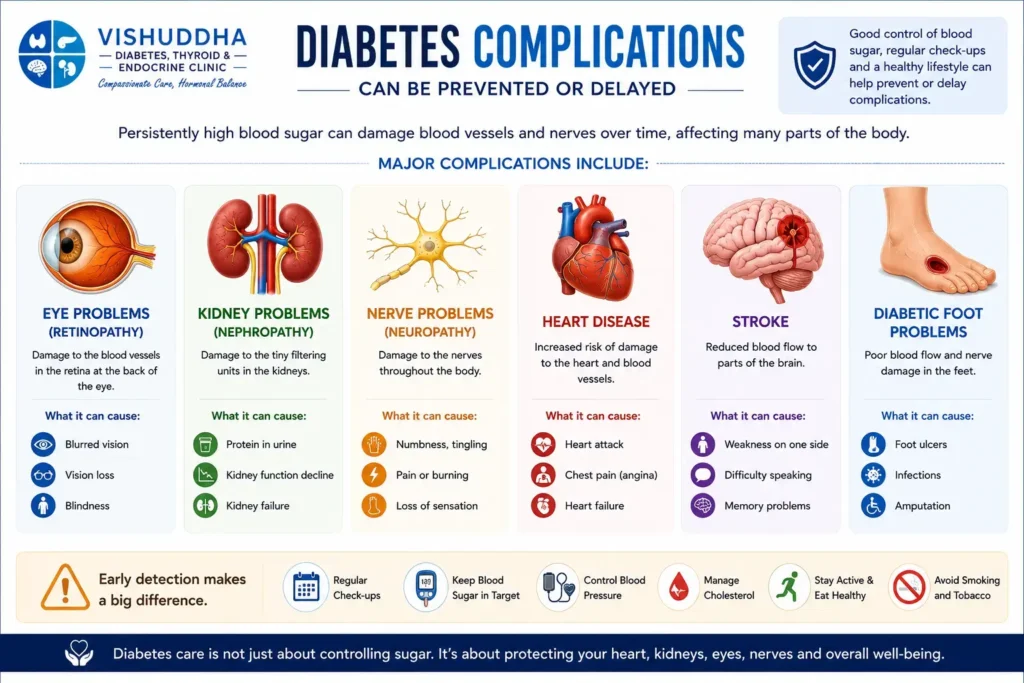
What Are the Complications of Diabetes?
Persistently high blood glucose can damage small and large blood vessels over time.
Important complications include:
Eye complications
Diabetic retinopathy can lead to vision impairment and, in advanced cases, blindness.
Kidney complications
Diabetes is an important cause of chronic kidney disease.
Nerve complications
Diabetic neuropathy may cause:
- Burning
- Tingling
- Numbness
- Pain
- Reduced sensation in the feet
Heart and blood vessel disease
Diabetes increases the risk of:
- Heart attack
- Stroke
- Peripheral arterial disease
Diabetic foot problems
Reduced sensation and impaired blood circulation can increase the risk of foot ulcers and infections.
WHO identifies diabetes as an important cause of blindness, kidney failure, heart attacks, stroke and lower-limb amputation.
How Can Diabetes Complications Be Prevented?
Good diabetes care is about more than checking blood glucose.
Regular monitoring may include:
- HbA1c
- Blood pressure
- Cholesterol
- Kidney function
- Urine albumin
- Eye examination
- Foot examination
- Weight and waist circumference
- Cardiovascular risk assessment
The exact frequency of these tests should be individualized.
Early detection of complications allows treatment to begin before problems become severe.
Can Type 2 Diabetes Be Prevented?
In many people, yes.
Important measures include:
- Maintaining a healthy body weight
- Losing excess weight when appropriate
- Regular physical activity
- Eating a balanced diet
- Limiting highly processed foods and excess added sugars
- Avoiding tobacco
- Managing blood pressure and cholesterol
- Screening people at increased risk
WHO notes that healthy eating, regular physical activity and maintaining a healthy body weight can help prevent or delay type 2 diabetes.
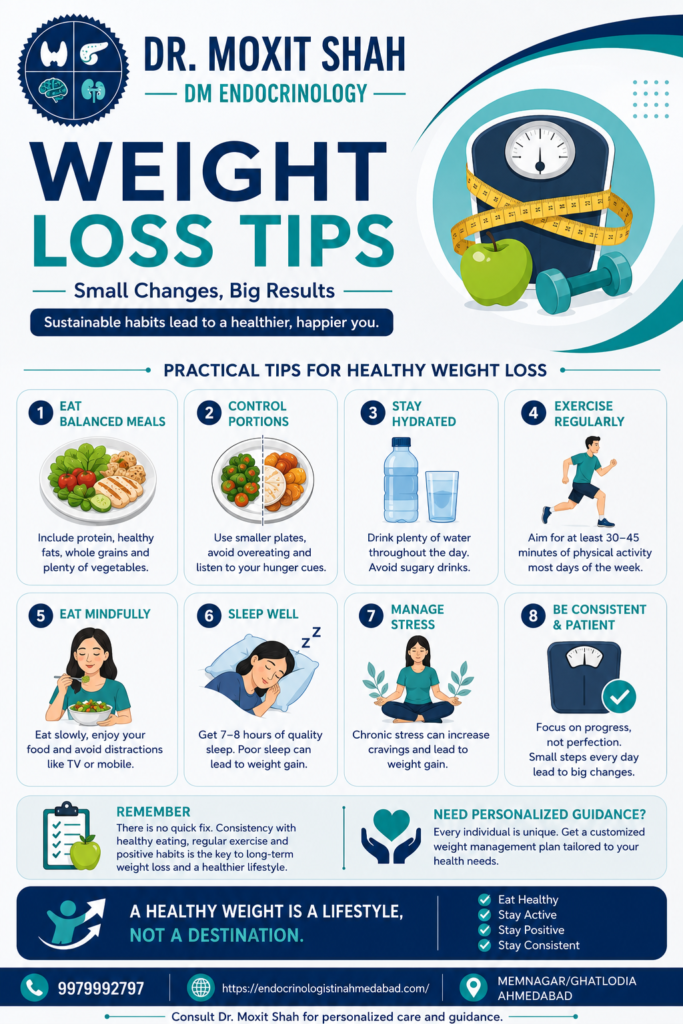
Diabetes and Weight Loss
For people with type 2 diabetes and overweight or obesity, weight management can be an important part of diabetes treatment.
Even moderate weight loss may improve:
- Blood glucose
- Insulin sensitivity
- Blood pressure
- Lipid profile
- Metabolic health
For selected patients, newer medicines such as GLP-1 receptor agonists and tirzepatide may be considered as part of an individualized treatment plan.
These medicines should not be used simply because they are popular on social media.
How Often Should You Check Your Blood Sugar?
The ideal monitoring schedule depends on the treatment.
Some patients may need frequent glucose monitoring, particularly those using insulin or medicines that can cause hypoglycemia.
Others may require less frequent monitoring.
Some patients may benefit from continuous glucose monitoring (CGM).
Your doctor can determine the appropriate monitoring strategy based on your treatment and glucose pattern.
What Blood Sugar Level Should a Person With Diabetes Have?
There is no single glucose target that applies to every person.
Targets are individualized according to:
- Age
- Duration of diabetes
- Pregnancy status
- Hypoglycemia risk
- Other medical conditions
- Medications
- Life expectancy
- Patient preferences
Therefore, a target should be decided with your treating doctor rather than copied from another patient’s prescription.
When Should You See an Endocrinologist?
You may benefit from an endocrinology consultation if you have:
- Newly diagnosed diabetes
- Persistently high HbA1c
- Difficult-to-control blood glucose
- Recurrent hypoglycemia
- Diabetes with obesity
- Need for insulin
- Complications of diabetes
- Unusual or uncertain type of diabetes
- Diabetes during pregnancy
- Diabetes at a young age
- Multiple diabetes medicines without adequate control
An endocrinologist can evaluate the underlying metabolic problem and create an individualized treatment strategy.
Diabetes Treatment Is More Than “Controlling Sugar”
Modern diabetes management focuses on overall metabolic health, not just one glucose number.
A comprehensive diabetes plan may include:
Blood glucose + weight + blood pressure + cholesterol + kidney health + eye health + heart health + lifestyle + mental wellbeing
The goal is to help a person live a healthy and active life while reducing the risk of diabetes-related complications.
Frequently Asked Questions About Diabetes
Can diabetes be completely cured?
Type 1 diabetes requires insulin. Some people with type 2 diabetes can achieve remission, particularly after substantial weight loss and intensive lifestyle or medical intervention. However, ongoing monitoring remains important.
Can I eat rice if I have diabetes?
Yes, rice can be included in a diabetes-friendly diet. The portion size, type of rice, overall meal composition and individual glucose response are important.
Can I stop diabetes medicine if my sugar becomes normal?
Do not stop medication on your own. Normal glucose may be the result of effective treatment.
Is insulin harmful?
Insulin is a safe and highly effective medicine when appropriately prescribed and monitored. Like any medication, it needs correct dosing and monitoring.
Can a person with diabetes eat fruits?
Yes. Most people with diabetes can include whole fruits in appropriate portions. The type, portion size and overall carbohydrate intake matter.
Is diabetes caused only by eating sugar?
No. Type 2 diabetes results from a combination of genetic, metabolic and lifestyle factors. Excess body weight and physical inactivity can increase risk, but diabetes is not simply caused by eating sugar.
Can walking help diabetes?
Yes. Regular physical activity can improve insulin sensitivity and glucose control and contributes to overall cardiovascular health.
Final Message: Diabetes Can Be Managed
A diagnosis of diabetes does not mean that you cannot live a healthy life.
Early diagnosis, individualized treatment, healthy eating, regular physical activity, appropriate medication and regular screening for complications can make a major difference.
Do not focus only on the sugar reading of today. Diabetes management is a long-term journey aimed at protecting your heart, kidneys, eyes, nerves and overall health.
Diabetes Care in Ahmedabad
Dr. Moxit Shah, DM Endocrinologist in Ahmedabad, provides personalized evaluation and treatment for diabetes, thyroid disorders, obesity, weight management and other endocrine conditions.
If you have recently been diagnosed with diabetes, have uncontrolled blood sugar, are struggling with weight, or want to review your current diabetes treatment, an endocrinology consultation can help create an individualized management plan.
Dr. Moxit Shah
DM Endocrinologist | Diabetes, Thyroid & Weight Management Specialist
📍 Ahmedabad, Gujarat
📞 9979992797
🌐 endocrinologistinahmedabad.com
Medical Disclaimer
This article is intended for general educational purposes and does not replace an individual consultation with a qualified medical professional. Diabetes treatment and medication choices should be individualized according to the patient’s medical history, investigations and treatment goals.