
By Dr. Moxit Shah | Endocrinologist in Ahmedabad
GLP-1 agonists (also called GLP-1 receptor agonists) are one of the most talked-about advances in modern medicine for Type 2 Diabetes and Obesity. If you have heard names like semaglutide or tirzepatide but are not sure how they actually work, this guide breaks it down in plain terms.
What Is a GLP-1 Agonist?
GLP-1 (Glucagon-Like Peptide-1) is a hormone your gut naturally releases after you eat. It signals your pancreas to release insulin, slows down digestion, and tells your brain that you are full.
A GLP-1 agonist is a medication that mimics this hormone, but with a much longer and stronger effect than your body produces on its own. That is what makes these medications so effective for both blood sugar control and weight loss.
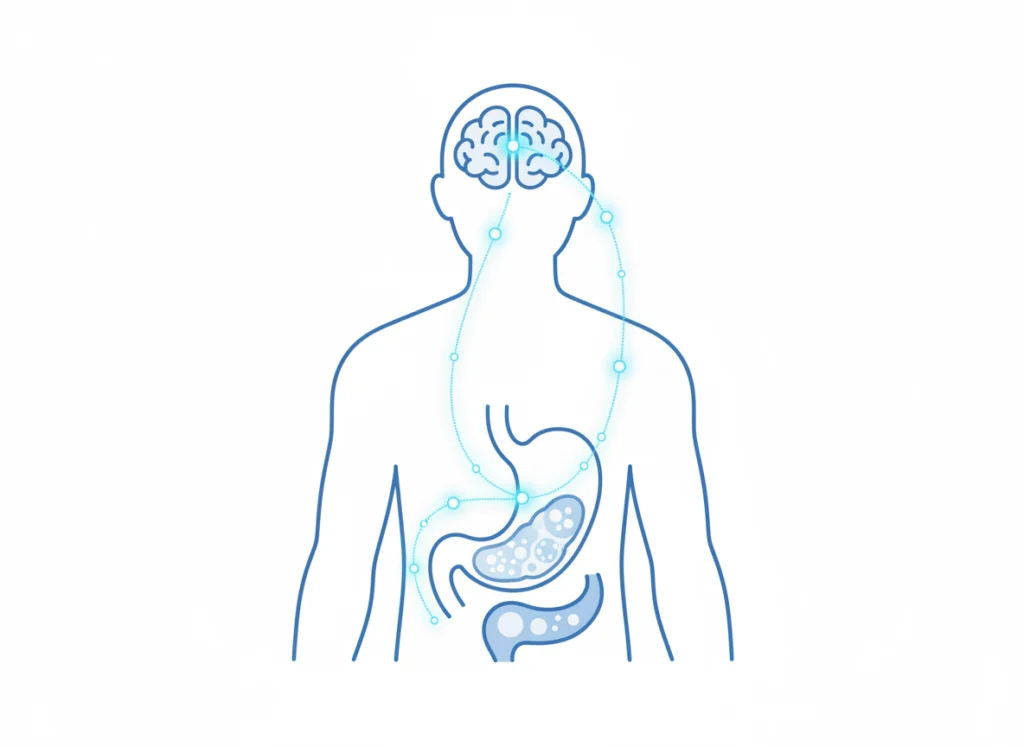
How Do GLP-1 Agonists Work?
These medications act on your body in several ways at once:
- Reduce appetite — you feel full sooner and stay full longer
- Slow stomach emptying — food stays in the stomach longer, reducing hunger
- Improve insulin release — helps lower blood sugar after meals
- Reduce glucagon production — prevents the liver from releasing excess sugar
- Reduce food cravings — many patients describe less “food noise” throughout the day
The combined effect is steadier blood sugar and a natural reduction in how much you eat, without constant willpower being the only thing holding you back.
Common GLP-1 Agonists Available Today
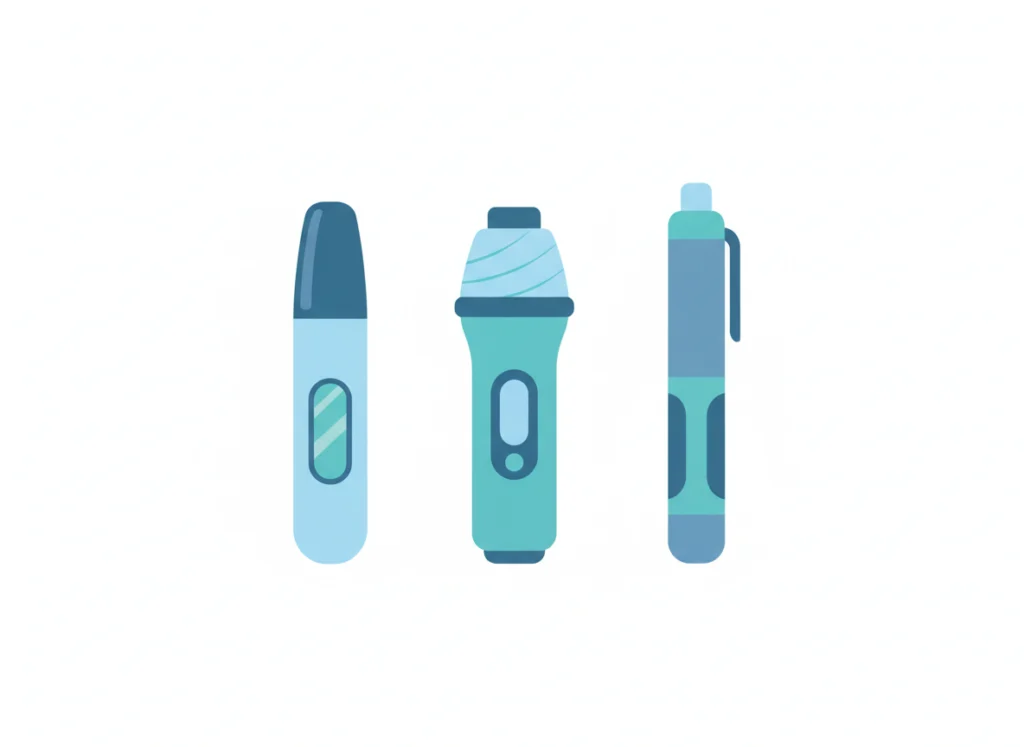
- Semaglutide (Ozempic, Wegovy, Rybelsus) — once-weekly injection or daily tablet
- Tirzepatide (Mounjaro) — a dual GLP-1/GIP agonist, often associated with greater weight loss
- Liraglutide (Saxenda, Victoza) — a once-daily injection, one of the earlier options in this class
In clinical studies, average weight loss ranges from roughly 5–8% of body weight with liraglutide, 10–15% with semaglutide, and 15–22% with tirzepatide — though individual results vary. For a closer look at how these compare, see our guide on Semaglutide vs Tirzepatide: Eligibility, Benefits & Safety. Doses are typically increased gradually — see our guide on what to expect during GLP-1 dose escalation.
Who Is a Candidate for GLP-1 Therapy?
GLP-1 agonists are generally considered for adults with:
- Type 2 Diabetes, particularly when blood sugar is not well controlled on other medications
- A BMI of 30 or higher (Obesity)
- A BMI of 27 or higher with a weight-related condition such as high blood pressure, Fatty liver, or Sleep apnea
- PCOS with associated Insulin resistance or difficulty losing weight — see our detailed guide on GLP-1 medicines and PCOS
These medications are prescription-only and require a proper medical evaluation — they are not a one-size-fits-all solution, and the right choice depends on your health history.
Common Side Effects
Most side effects are mild and improve as your body adjusts, especially with a gradual dose increase:
- Nausea
- Bloating or acid reflux
- Constipation
- Reduced appetite
Less common but important risks include gallstones and, rarely, pancreatitis — which is why ongoing supervision by an endocrinologist matters, particularly during dose escalation.
Do You Still Need Diet and Exercise?
Yes. GLP-1 agonists work best as part of a complete plan that includes a high-protein diet, regular physical activity, and adequate sleep. The medication makes it easier to stick to healthier habits — it is not a replacement for them.
Final Thoughts
GLP-1 agonists represent a genuine advance in treating Type 2 Diabetes and Obesity, but they work best under proper medical guidance — with the right medication, the right dose, and a plan tailored to your health profile.
If you are considering GLP-1 therapy, consult Dr. Moxit Shah, DM Endocrinology, for a personalized evaluation.
📞 Book Your Appointment Today
Dr. Moxit Shah
DM Endocrinology (IPGMER, Kolkata)
Consultant Endocrinologist
📱 Call / WhatsApp: 9979992797