
Polycystic ovary syndrome (PCOS) is often associated with insulin resistance, weight gain and difficulty losing weight. This can make long-term metabolic health challenging for some women. GLP-1-based medicines, including medicines containing semaglutide or tirzepatide, are increasingly discussed for weight management. But are they appropriate for women with PCOS?
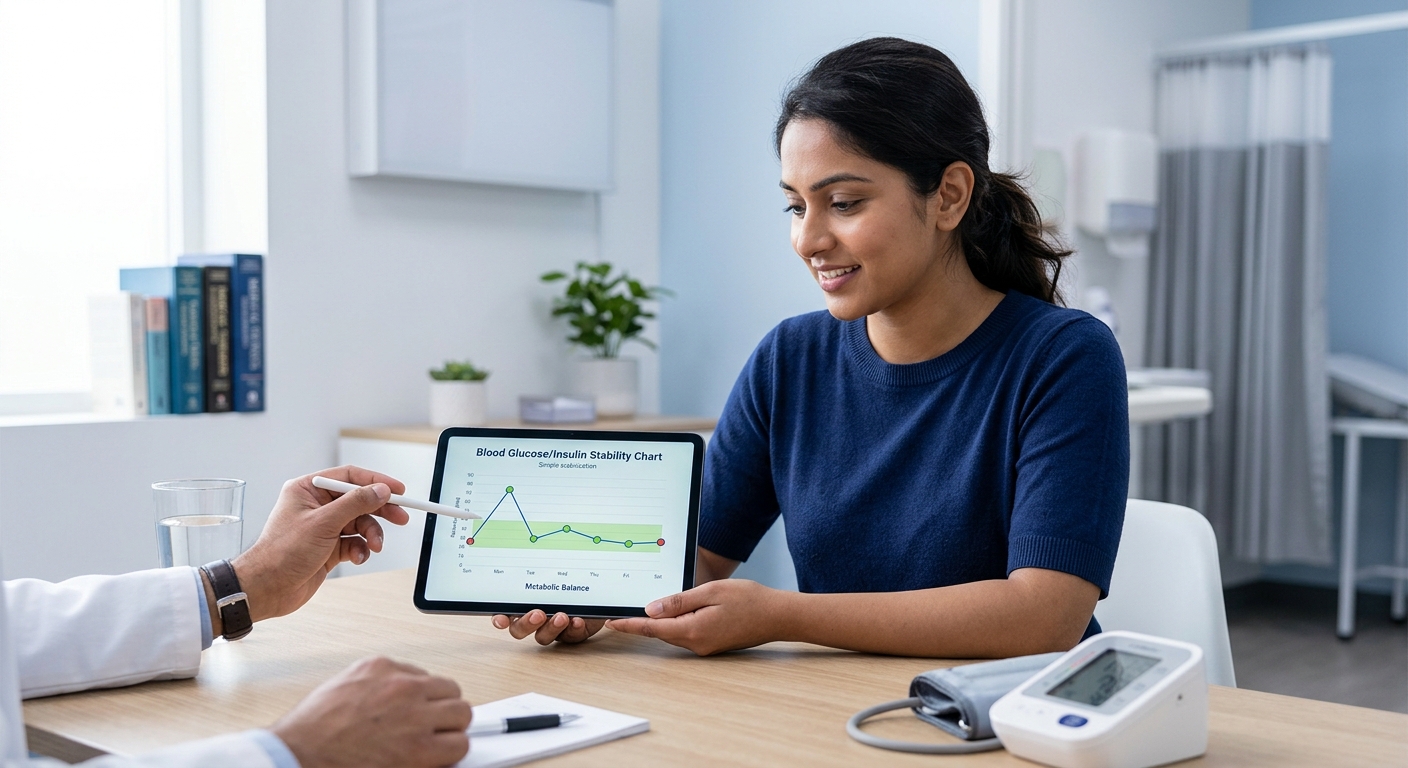
The answer depends on the individual’s weight, metabolic health, diabetes or prediabetes status, reproductive plans, medications and other medical factors. GLP-1 medicines are not a treatment for PCOS itself, but they may have a role in managing obesity and metabolic complications in selected patients.
Why Is Weight Management Difficult in PCOS?
PCOS is a hormonal and metabolic condition. Many women with PCOS have some degree of insulin resistance, although not everyone does. Insulin resistance can contribute to higher insulin levels, increased hunger in some people and difficulty maintaining weight.
Weight management can therefore require more than simply eating less. A structured approach involving nutrition, physical activity, sleep, treatment of metabolic risk factors and appropriate medical therapy may be needed.
How Can GLP-1 Medicines Help?
GLP-1 receptor agonists and related incretin-based medicines act on pathways involved in appetite, food intake and glucose regulation. Tirzepatide acts on both GIP and GLP-1 pathways.
For a person with PCOS who also meets accepted criteria for obesity treatment, these medicines may reduce appetite and support clinically meaningful weight loss. Weight reduction can improve several metabolic risk factors and may be associated with improvement in some PCOS-related features.
However, GLP-1 medicines should not be presented as a cure for PCOS. Their use should be based on the patient’s overall medical indication rather than the PCOS diagnosis alone.
Can GLP-1 Medicines Improve Insulin Resistance in PCOS?
Weight loss itself can improve insulin sensitivity. In women with PCOS and excess weight, meaningful weight reduction may improve glucose metabolism and reduce future metabolic risk.
Some patients may also need treatment specifically directed at abnormal blood glucose or other metabolic problems. If you have diabetes or prediabetes, your treatment plan should be individualized rather than relying on weight loss alone.
Will GLP-1 Medicines Improve Periods or Fertility?
Improved metabolic health and weight loss can sometimes be associated with more regular menstrual cycles in women with PCOS. However, this does not mean GLP-1 medicines are fertility medicines.
If pregnancy is planned, GLP-1-based treatment needs careful review because these medicines are generally not used during pregnancy. Medication planning should therefore be discussed with an endocrinologist and, when appropriate, a gynecologist before trying to conceive.
Who With PCOS Might Be Considered for GLP-1 Treatment?
A woman with PCOS may be considered for an anti-obesity medicine when she has obesity or another accepted indication for pharmacological weight management. The decision may also consider waist circumference, blood pressure, glucose status, sleep apnea, fatty liver disease, previous weight-management attempts and other health conditions.
It is important not to start these medicines simply because a person has PCOS or wants to lose a few kilograms. A medical assessment helps determine whether medication is appropriate and which option is safest.
What Side Effects Should You Know?
Common side effects can include nausea, vomiting, diarrhea, constipation, abdominal discomfort and reduced appetite. Symptoms are often more noticeable when treatment is started or the dose is increased.
Rare but important complications can occur, and certain medical conditions may make these medicines unsuitable. Your doctor should review your medical history and other medicines before treatment.
For more information, read our guide on GLP-1 side effects and how to manage them.
GLP-1 Medicines Are Only One Part of PCOS Management
Long-term PCOS care should address the patient’s individual goals. This may include a balanced eating pattern, regular resistance and aerobic exercise, adequate sleep, management of insulin resistance or diabetes when present, and appropriate treatment for menstrual or androgen-related symptoms.
If weight loss is the main goal, our detailed guide to GLP-1 medicines for weight loss explains eligibility, benefits and safety considerations. You can also read about GLP-1 medicines and muscle loss and what to eat while taking GLP-1 medicines.
Frequently Asked Questions
Can every woman with PCOS take GLP-1 medicines?
No. PCOS alone is not an automatic indication. Eligibility depends on weight, metabolic health, other medical conditions, medication history and individual risk factors.
Do GLP-1 medicines cure PCOS?
No. They do not cure PCOS. They may help selected patients manage obesity and metabolic complications associated with PCOS.
Can GLP-1 medicines be used when trying to become pregnant?
These medicines require careful planning around pregnancy and are generally not used during pregnancy. Discuss treatment and stopping timelines with your treating doctor before conception.
Is lifestyle change still necessary if I take a GLP-1 medicine?
Yes. Medication works best as part of a broader, sustainable weight-management plan that includes nutrition, physical activity, sleep and appropriate medical follow-up.
When Should You See an Endocrinologist?
If you have PCOS with obesity, prediabetes, diabetes, fatty liver disease, significant insulin resistance or difficulty achieving sustainable weight loss, an endocrinology consultation can help identify the most appropriate treatment strategy.
Dr. Moxit Shah, DM Endocrinologist in Ahmedabad, provides individualized evaluation and treatment for PCOS, obesity, diabetes and metabolic conditions at Vishuddha Endocrine Clinic.
Book a Consultation
If you have PCOS and are considering GLP-1 treatment for weight management, do not start injections on your own. A personalized assessment can help determine whether treatment is appropriate, what monitoring is needed and how to combine medication with sustainable lifestyle changes.
Vishuddha Endocrine Clinic
Elite Magnum, 104-105, Bhuyangdev Cross Rd, opposite Utsav Elegance, Vardhmannagar Society, Ghatlodiya, Memnagar, Ahmedabad, Gujarat 380061
Phone: +91 99799 92797
WhatsApp: Chat on WhatsApp
Website: endocrinologistinahmedabad.com
Email: moxitshah30@gmail.com
This article is for general education and does not replace an individual medical consultation.